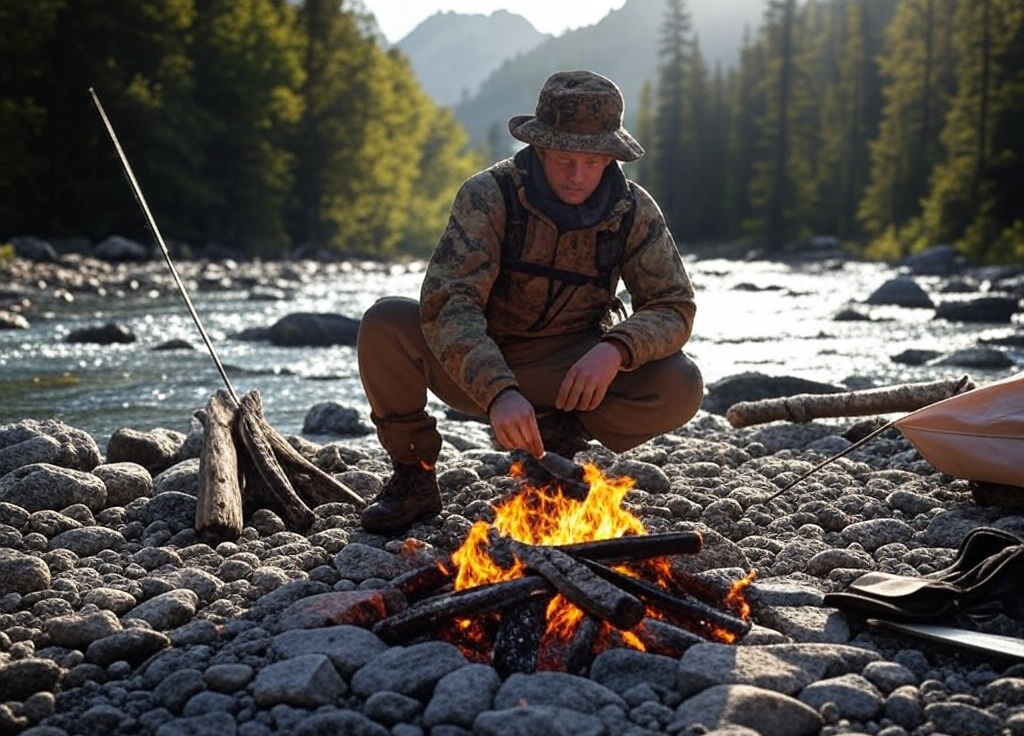
Have you ever taken a photo that just doesn’t look right, even though everything in the frame seems interesting? That’s because composition plays a huge role in photography, and one of the most powerful yet simple photography techniques to improve your shots is the Rule of Thirds.
Understanding and applying this technique can take your photos from ordinary to visually compelling, whether you’re using a best budget camera for beginners or a high-end DSLR. In this guide, we’ll break down the Rule of Thirds, explain why it works, and show you how to apply it in different photography scenarios—from portrait photography settings to outdoor photography ideas. We’ll also explore how to fine-tune your compositions using editing photos in Lightroom.
Ready to level up your photography skills? Let’s dive in!
What is the Rule of Thirds?
The Rule of Thirds is a fundamental photography technique that divides your frame into a 3×3 grid, creating nine equal parts. The idea is to place key elements of your composition along these lines or at their intersections. This technique creates balance and guides the viewer’s eye naturally across the image.
Why Does the Rule of Thirds Work?
- Creates balance – A centered subject can feel static, while placing it off-center adds visual interest.
- Mimics natural eye movement – Our eyes are naturally drawn to intersection points.
- Enhances storytelling – Composing shots with the Rule of Thirds adds depth and structure.
How to Apply the Rule of Thirds in Different Photography Styles
1. Portrait Photography Settings and Composition
For portrait photography, positioning your subject’s eyes along the upper horizontal line makes the image feel natural and engaging. Here’s how:
- Single Subject: Place the face near an intersection point rather than in the center.
- Multiple Subjects: Align them along vertical grid lines to create symmetry.
- Background Considerations: Use a blurred background (bokeh) for emphasis.
- Best Camera Settings:
- Aperture: f/1.8 to f/2.8 for a shallow depth of field
- Shutter Speed: 1/200s or higher
- ISO: 100-400 (adjust based on lighting)
2. Outdoor Photography Ideas Using the Rule of Thirds
For landscapes and outdoor shots, aligning the horizon with the top or bottom third of the frame makes the composition more dynamic.
- Landscapes: Place the horizon on the top third if the foreground is interesting; place it on the bottom third if the sky is dramatic.
- Action Shots: Keep moving subjects along a vertical third for dynamic tension.
- Leading Lines: Align paths, rivers, or roads with grid lines to guide the viewer’s eye.
3. How to Take Professional-Quality Pictures with a Smartphone
Yes, you can master the Rule of Thirds even with a phone!
- Turn on Gridlines: Most smartphones allow you to enable the grid in camera settings.
- Use Natural Light: Soft morning or golden hour light improves composition.
- Avoid Over-Reliance on Zoom: Instead, physically move closer to the subject.
- Edit with Lightroom: Crop and fine-tune exposure for better balance.
Editing Photos in Lightroom to Perfect the Rule of Thirds
Even if you didn’t get the composition perfect while shooting, editing photos in Lightroom can help refine your image:
- Use the Crop Tool: Lightroom’s built-in grid overlay makes it easy to realign your shot.
- Adjust Exposure: Enhancing brightness and contrast ensures focus on key elements.
- Apply Color Grading: This enhances mood and makes compositions stand out.
Common Misconceptions About the Rule of Thirds
- “It’s a strict rule” – While it’s a great guideline, breaking it creatively can also produce compelling images.
- “It only applies to professional cameras” – Any camera, including smartphones and best budget cameras for beginners, can use this technique.
- “Centered compositions are bad” – Sometimes symmetry works better, depending on the subject.
The Science Behind the Rule of Thirds
Studies in visual perception suggest that people find off-center compositions more engaging. Research from the Journal of Vision indicates that people naturally scan images in an F-shaped pattern, aligning with the Rule of Thirds grid.
Expert Opinions on the Rule of Thirds
“The Rule of Thirds is not about following strict rules but about understanding visual harmony.” – Annie Leibovitz, Renowned Portrait Photographer
“You can break the rule once you master it, but it remains a great starting point for beginners.” – Steve McCurry, National Geographic Photographer
Final Thoughts: When to Use (or Break) the Rule of Thirds
The Rule of Thirds is a valuable tool for enhancing your compositions, but the best photographers know when to break it. Once you understand its principles, experiment with symmetry, negative space, and leading lines to create truly unique photos.
What’s Next?
- Practice: Use the gridlines on your camera or smartphone to compose shots intentionally.
- Experiment: Try breaking the rule and compare results.
- Edit: Use editing photos in Lightroom to refine compositions.
- Upgrade Gear: If you’re looking for new equipment, check out best budget cameras for beginners to improve your shots.
Start applying the Rule of Thirds today and take your photography to the next level!
- All Posts
- Hobbies