

Why Some TV Shows Go Viral Overnight The Show No One Saw Coming It started as just another quiet Friday night. Emma scrolled through her streaming service, looking for something new to watch. She stumbled upon a show she had never heard of before—Stranger Things. Within minutes, she was hooked. By the next day, so was her entire friend group. By the end of the week, the world was buzzing about it. But how did a show with relatively unknown actors and little initial hype become an overnight sensation? The answer? A perfect storm of pop culture trends, streaming accessibility, and social media influence. The Viral TV Show Formula 1. The Power of Word-of-Mouth & Social Media Trends One of the biggest factors in a TV show going viral is the organic spread of excitement. Squid Game is a prime example—within days of its release, TikTok and Twitter exploded with discussions, memes, and theories. People weren’t just watching it; they were talking about it, creating a domino effect of curiosity and engagement. Lesson Learned: Social media challenges and viral clips make a show instantly shareable. Engagement-driven algorithms (like those on TikTok, Twitter, and YouTube) amplify trending content. Memes and GIFs act as free marketing, spreading awareness faster than traditional advertising. Expert Insight: “Social media has turned viewers into marketers. If a show sparks enough conversation, it doesn’t need a massive budget—it just needs the right moment to capture public interest,” says digital strategist Mark Harrison. 2. Streaming Services and Binge-Watching Culture Gone are the days of waiting week after week for a new episode. The best streaming services now drop entire seasons at once, creating the binge-watch effect. Tiger King went viral because it was so outrageous that people couldn’t stop watching. The show’s bizarre twists kept viewers hooked, and before long, the entire world was debating the ethics of Joe Exotic. Lesson Learned: Binge-worthy shows with cliffhangers increase watch time and discussion. Platforms like Netflix, Hulu, and HBO Max curate trending content to keep people engaged. Recommendations and algorithm-driven discovery push lesser-known shows into the spotlight. Supporting Data: A Nielsen report revealed that 95% of streaming platform users binge-watch their favorite shows, and 80% of viral shows are discovered through platform recommendations. 3. Relatability and Cultural Relevance Some shows go viral because they tap into something bigger than just entertainment. Euphoria captured Gen Z’s struggles with social media, addiction, and identity, making it more than just a drama—it became a cultural conversation. Similarly, Bridgerton blended historical romance with modern storytelling, making it accessible to diverse audiences. Lesson Learned: Shows that reflect current social, political, or emotional themes tend to resonate more deeply. Authentic representation and diversity create more buzz and engagement. Trending music and cultural aesthetics (as seen in Euphoria) make shows more shareable. Contrarian Viewpoint: Not all viral shows maintain longevity. Some ride the wave of controversy or curiosity (Emily in Paris or 13 Reasons Why) but fail to hold their audience after the initial hype. The Viral TV Show Checklist: Can Your Favorite Show Go Viral? ✅ Does it have high shareability (memes, GIFs, or viral moments)? ✅ Does it encourage binge-watching with cliffhangers and twists? ✅ Does it tap into current cultural or social themes? ✅ Is it easily accessible on popular streaming services? ✅ Does it create conversations across platforms like TikTok, Twitter, and Reddit? What This Means for the Future of TV Shows The rise of viral TV shows isn’t slowing down—it’s evolving. Streaming wars between Netflix, Disney+, and Prime Video mean more investment in high-risk, high-reward content. Meanwhile, social media will continue to dictate what succeeds and what fades into obscurity. Final Takeaways: Pay attention to social media trends to spot the next viral hit before it explodes. Platforms like Netflix and TikTok are shaping what people watch next. Virality doesn’t always equal longevity—sometimes, a quick burst of fame is enough. Next time you’re scrolling through new releases, take a chance on an under-the-radar show. Who knows? You might just discover the next big thing before it goes viral. All Posts Entertainment How Celebrities Prepare for the Oscars and Other Award Shows Read More How to Discover New Music Before It Becomes Popular Read More The Best Free-to-Play Games That Offer the Most Value Read More How Celebrities Stay Fit and Healthy While Juggling Their Careers Read More Why Some Celebrities Prefer Living Away from the Spotlight Read More The Most Influential Video Games That Shaped the Industry Read More The Science Behind Why We Love Certain Types of Entertainment Read More The Evolution of Special Effects in Movies and Video Games Read More
How Celebrities Prepare for the Oscars and Other Award Shows
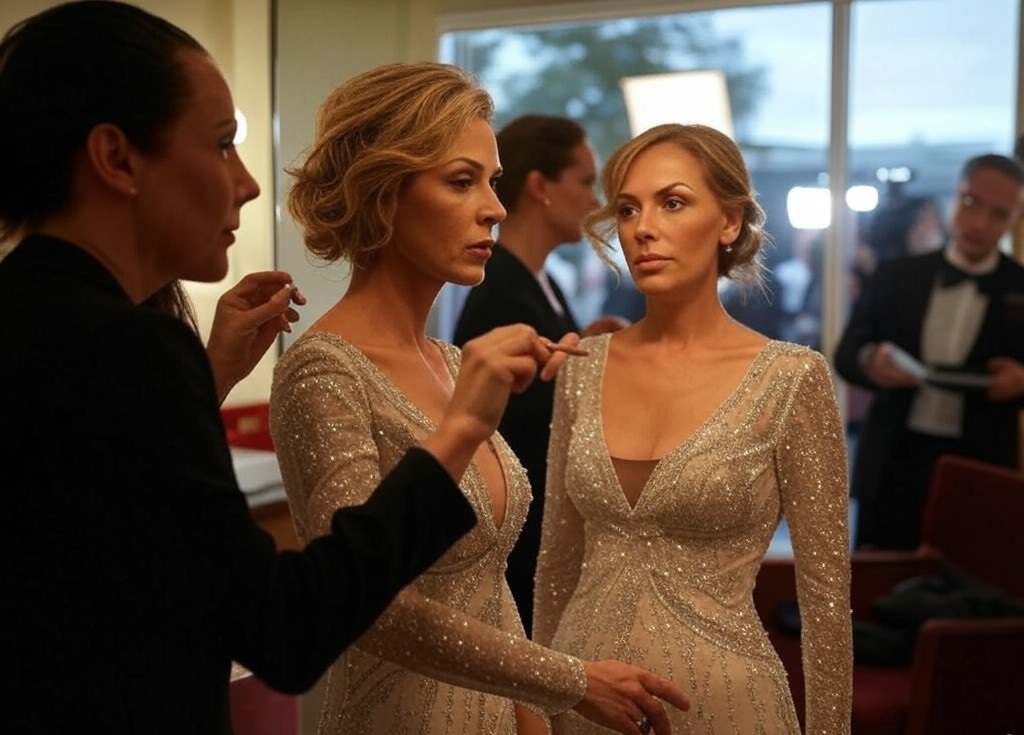
How Celebrities Prepare for the Oscars and Other Award Shows 1. What Does It Take to Prepare for the Oscars? The Oscars and other major award shows require months of preparation for celebrities, from selecting the perfect outfit to speech rehearsals and networking strategies. This guide dives into the behind-the-scenes process, revealing how stars get red carpet-ready. 2. How Do Celebrities Choose Their Red Carpet Looks? Expert Insights: “Fashion houses and designers often compete to dress A-list celebrities for award shows,” says celebrity stylist Rachel Zoe. “The right outfit can make a lasting impact, sometimes even overshadowing the awards themselves.” Steps in Choosing the Perfect Look: Collaboration with Designers: Celebrities work with top fashion designers to create exclusive, custom-made gowns and suits. Fittings and Adjustments: Multiple fittings ensure a perfect fit. Accessorizing with Jewelry: Many wear jewelry on loan from luxury brands like Tiffany & Co. or Cartier. Hair and Makeup Trials: Professional stylists conduct test runs before the event. Practical Example: Lupita Nyong’o’s powder blue Prada gown at the 2014 Oscars became iconic, showcasing the importance of selecting the right outfit. 3. What Fitness and Skincare Routines Do Celebrities Follow Before Award Shows? Skincare Regimens: Facial Treatments: Many undergo microdermabrasion, chemical peels, or LED therapy. Hydration Plans: Hydrating facials and drinking plenty of water ensure a glowing complexion. Diet Adjustments: Cutting out sugar, dairy, and processed foods helps reduce bloating and skin inflammation. Fitness Training: Personalized Workouts: A-listers train with top fitness coaches to tone their bodies. Yoga and Meditation: Helps manage stress before the event. Cryotherapy and Massages: Reduces muscle tension and inflammation. Example: Jennifer Lopez follows an intense fitness regimen, incorporating HIIT workouts and a strict no-alcohol, no-caffeine diet before award season. 4. How Do Celebrities Prepare for Their Acceptance Speeches? Speech Preparation Strategies: Hiring Speech Coaches: Many work with professionals to refine their speeches. Practicing Delivery: Rehearsing in front of a mirror or a small audience. Keeping It Concise: The Academy recommends speeches be under 45 seconds. Including Personal Touches: Many reference personal experiences, causes they support, or mentors who inspired them. Supporting Data: According to an Oscars study, 72% of acceptance speeches include gratitude toward directors, cast, and family. Example: Matthew McConaughey’s “Alright, alright, alright” speech in 2014 became legendary due to its authenticity and well-structured delivery. 5. What Happens Backstage Before Celebrities Walk the Red Carpet? The Backstage Experience: Final Makeup & Hair Touch-Ups: Stylists ensure no smudged lipstick or frizzy hair. Last-Minute Wardrobe Checks: Dresses and tuxedos are inspected for wrinkles or mishaps. Red Carpet Posing Practice: PR teams coach celebrities on angles for flattering photographs. Nervous Rituals: Many engage in meditation, listen to music, or practice deep breathing to ease nerves. Example: Lady Gaga’s pre-show ritual involves listening to classical music and doing vocal warmups before stepping out. 6. What Networking and PR Strategies Do Celebrities Use During Award Season? Networking Tactics: Attending Industry Events: Exclusive pre-Oscar parties and networking dinners are essential for visibility. Engaging with the Media: Celebrities prepare talking points for interviews. Social Media Strategy: Posting behind-the-scenes footage increases fan engagement. Common Follow-Up Questions: “How do celebrities handle red carpet interviews?” → They undergo media training to maintain composure. “Do celebrities pay for their Oscar campaigns?” → Studios often fund promotional campaigns for nominees. 7. What Happens After the Award Show? Post-Oscar Traditions: Attending After-Parties: Vanity Fair’s Oscars After-Party is one of the most prestigious events. Press and Media Coverage: Winners and nominees participate in post-show interviews. Celebration or Recovery? Some relax on a vacation, while others immediately return to work. Example: After winning Best Actor, Leonardo DiCaprio attended an after-party but was seen returning to environmental activism projects just days later. 8. Implementation Steps: How to Apply Celebrity Award Prep Techniques to Everyday Life Step 1: Enhance Your Grooming Routine Incorporate skincare, hydration, and healthy eating habits into your daily routine. Step 2: Improve Public Speaking Skills Practice short speeches, record yourself, and seek constructive feedback. Step 3: Dress for Success Invest in well-fitted, high-quality clothing that boosts confidence. Step 4: Network Effectively Attend industry-related events and refine your social media presence. Final Thoughts While the Oscars may seem like a glamorous event, it requires months of preparation and strategic planning. From skincare routines and workout regimens to speech preparation and PR management, celebrities follow a well-structured plan to ensure they look and perform their best. Whether you’re preparing for a big event in your own life or just looking for inspiration, applying these Hollywood techniques can help you shine like a star! All Posts Entertainment How to Discover New Music Before It Becomes Popular Read More The Best Free-to-Play Games That Offer the Most Value Read More How Celebrities Stay Fit and Healthy While Juggling Their Careers Read More Why Some Celebrities Prefer Living Away from the Spotlight Read More The Most Influential Video Games That Shaped the Industry Read More The Science Behind Why We Love Certain Types of Entertainment Read More The Evolution of Special Effects in Movies and Video Games Read More
The Most Mind-Blowing Movie Endings That Left Fans Speechless
Why Some TV Shows Go Viral Overnight The Show No One Saw Coming It started as just another quiet Friday night. Emma scrolled through her streaming service, looking for something new to watch. She stumbled upon a show she had never heard of before—Stranger Things. Within minutes, she was hooked. By the next day, so was her entire friend group. By the end of the week, the world was buzzing about it. But how did a show with relatively unknown actors and little initial hype become an overnight sensation? The answer? A perfect storm of pop culture trends, streaming accessibility, and social media influence. The Viral TV Show Formula 1. The Power of Word-of-Mouth & Social Media Trends One of the biggest factors in a TV show going viral is the organic spread of excitement. Squid Game is a prime example—within days of its release, TikTok and Twitter exploded with discussions, memes, and theories. People weren’t just watching it; they were talking about it, creating a domino effect of curiosity and engagement. Lesson Learned: Social media challenges and viral clips make a show instantly shareable. Engagement-driven algorithms (like those on TikTok, Twitter, and YouTube) amplify trending content. Memes and GIFs act as free marketing, spreading awareness faster than traditional advertising. Expert Insight: “Social media has turned viewers into marketers. If a show sparks enough conversation, it doesn’t need a massive budget—it just needs the right moment to capture public interest,” says digital strategist Mark Harrison. 2. Streaming Services and Binge-Watching Culture Gone are the days of waiting week after week for a new episode. The best streaming services now drop entire seasons at once, creating the binge-watch effect. Tiger King went viral because it was so outrageous that people couldn’t stop watching. The show’s bizarre twists kept viewers hooked, and before long, the entire world was debating the ethics of Joe Exotic. Lesson Learned: Binge-worthy shows with cliffhangers increase watch time and discussion. Platforms like Netflix, Hulu, and HBO Max curate trending content to keep people engaged. Recommendations and algorithm-driven discovery push lesser-known shows into the spotlight. Supporting Data: A Nielsen report revealed that 95% of streaming platform users binge-watch their favorite shows, and 80% of viral shows are discovered through platform recommendations. 3. Relatability and Cultural Relevance Some shows go viral because they tap into something bigger than just entertainment. Euphoria captured Gen Z’s struggles with social media, addiction, and identity, making it more than just a drama—it became a cultural conversation. Similarly, Bridgerton blended historical romance with modern storytelling, making it accessible to diverse audiences. Lesson Learned: Shows that reflect current social, political, or emotional themes tend to resonate more deeply. Authentic representation and diversity create more buzz and engagement. Trending music and cultural aesthetics (as seen in Euphoria) make shows more shareable. Contrarian Viewpoint: Not all viral shows maintain longevity. Some ride the wave of controversy or curiosity (Emily in Paris or 13 Reasons Why) but fail to hold their audience after the initial hype. The Viral TV Show Checklist: Can Your Favorite Show Go Viral? ✅ Does it have high shareability (memes, GIFs, or viral moments)? ✅ Does it encourage binge-watching with cliffhangers and twists? ✅ Does it tap into current cultural or social themes? ✅ Is it easily accessible on popular streaming services? ✅ Does it create conversations across platforms like TikTok, Twitter, and Reddit? What This Means for the Future of TV Shows The rise of viral TV shows isn’t slowing down—it’s evolving. Streaming wars between Netflix, Disney+, and Prime Video mean more investment in high-risk, high-reward content. Meanwhile, social media will continue to dictate what succeeds and what fades into obscurity. Final Takeaways: Pay attention to social media trends to spot the next viral hit before it explodes. Platforms like Netflix and TikTok are shaping what people watch next. Virality doesn’t always equal longevity—sometimes, a quick burst of fame is enough. Next time you’re scrolling through new releases, take a chance on an under-the-radar show. Who knows? You might just discover the next big thing before it goes viral. All Posts Entertainment How Celebrities Prepare for the Oscars and Other Award Shows Read More How to Discover New Music Before It Becomes Popular Read More The Best Free-to-Play Games That Offer the Most Value Read More How Celebrities Stay Fit and Healthy While Juggling Their Careers Read More Why Some Celebrities Prefer Living Away from the Spotlight Read More The Most Influential Video Games That Shaped the Industry Read More The Science Behind Why We Love Certain Types of Entertainment Read More The Evolution of Special Effects in Movies and Video Games Read More
How to Discover New Music Before It Becomes Popular
How to Discover New Music Before It Becomes Popular 1. The Unexpected Truth About Music Discovery Did you know that over 100,000 new tracks are uploaded to streaming platforms every single day? With such a flood of music, it’s no wonder that many amazing songs get buried before they even have a chance to go viral. The challenge isn’t just finding new music—it’s finding the right new music before everyone else does. If you’ve ever wanted to be the person who discovers the next big hit before it tops the charts, this guide is for you. 2. Major Challenges in Music Discovery Challenge #1: Overwhelming Volume of New Releases Why It Happens Streaming platforms, social media, and independent music distribution have made it easier than ever for artists to release their work. However, this also means listeners are bombarded with more choices than they can realistically process. Solutions Leverage AI-Driven Playlists: Platforms like Spotify and Apple Music use algorithms to curate personalized playlists like Release Radar and Discover Weekly based on your listening habits. Follow Underground Blogs & Websites: Sites like Pigeons & Planes, Hype Machine, and Stereogum often highlight emerging artists before they blow up. Monitor Music Forums & Reddit: Subreddits like r/ListenToThis and r/indieheads are goldmines for fresh, under-the-radar music. Success Story Billie Eilish gained traction largely through early exposure on SoundCloud and music blogs, with dedicated listeners spreading her music organically. Implementation Tips Set up Google Alerts for phrases like “rising indie artists” or “best new music 2024.” Spend 10 minutes a day browsing user-curated playlists on platforms like 8tracks and Audiomack. Challenge #2: Breaking Out of Algorithm-Driven Echo Chambers Why It Happens Music streaming algorithms tend to reinforce your existing preferences, meaning you might only get recommended songs similar to what you already listen to—limiting exposure to fresh sounds. Solutions Use Playlist Swapping: Exchange playlists with friends who have different music tastes. Explore International Music Charts: Discover what’s trending in Latin America, Asia, or Africa by checking regional streaming charts. Attend Local Live Music Shows: Discover artists before they reach mainstream platforms. Success Story Rosalía started by blending flamenco with pop and hip-hop, gaining an underground following in Spain before breaking into global charts. Implementation Tips Try radio-style apps like Pandora that introduce randomness to recommendations. Once a week, listen to a genre you’ve never explored before on Spotify’s “Explore” feature. Challenge #3: Lack of Reliable Early Indicators of a Hit Why It Happens Predicting what will become popular isn’t an exact science. Many artists gain traction years after they release music (think: Lizzo or Doja Cat), while others go viral due to unexpected social media trends (like TikTok dance challenges). Solutions Monitor Emerging Trends on Social Media: TikTok, Instagram Reels, and YouTube Shorts are currently the biggest platforms for organic music discovery. Follow Data-Driven Music Prediction Platforms: Chartmetric and Shazam trends offer insights into which songs are gaining momentum. Join Online Communities for Tastemakers: Many music industry insiders discuss upcoming artists in Discord groups and Telegram channels. Success Story Lil Nas X’s Old Town Road was first picked up by TikTok users before it became a chart-dominating hit. Implementation Tips Sign up for early-access music communities like Indie Shuffle. Keep an eye on songs that trend in the background of viral TikToks. 3. Expert Roundup: How Industry Professionals Find the Next Big Thing We asked music industry experts, curators, and influencers how they stay ahead of the curve: David Klein, Music Curator at Spotify: “Don’t rely solely on recommendations—be proactive. Explore underground genres and niche platforms.” Megan L., A&R Scout: “Many rising artists start with local buzz before they hit big platforms. Go to smaller concerts and follow artist-run SoundCloud pages.” James Foster, YouTube Music Content Manager: “Look at comment sections of viral videos—fans often discuss promising up-and-comers.” 4. Resources to Help You Stay Ahead Websites & Tools Hype Machine: Aggregates the best new music from blogs. Chartmetric: Analyzes streaming data to predict rising hits. Indie Shuffle: Curated indie music selections. Best Playlists for Finding New Music Spotify’s Discover Weekly & Fresh Finds Apple Music’s Breaking Alternative YouTube’s New Artist Spotlight Downloadable Checklist: How to Find New Music Before It Goes Mainstream ✅ Check Spotify’s Fresh Finds & Release Radar once a week. ✅ Explore r/ListenToThis on Reddit for emerging artists. ✅ Use Shazam to track what people are searching for. ✅ Follow local music venues & indie record labels on Instagram. ✅ Set up Google Alerts for rising music trends. ✅ Spend time on TikTok’s trending sounds page. ✅ Listen to international charts on Apple Music. ✅ Join a Discord group for underground music discovery. 5. Final Thoughts: The Future of Music Discovery The way we discover new music is constantly evolving. As streaming algorithms get smarter and social media trends shift, it’s essential to stay flexible and actively seek out new sounds. Whether you’re a casual listener or an aspiring industry professional, following these strategies will help you stay ahead of the curve and discover new music before the rest of the world catches on. All Posts Entertainment The Best Free-to-Play Games That Offer the Most Value Read More How Celebrities Stay Fit and Healthy While Juggling Their Careers Read More Why Some Celebrities Prefer Living Away from the Spotlight Read More The Most Influential Video Games That Shaped the Industry Read More The Science Behind Why We Love Certain Types of Entertainment Read More The Evolution of Special Effects in Movies and Video Games Read More

The Best Free-to-Play Games That Offer the Most Value
The Best Free-to-Play Games That Offer the Most Value 1. Quick Win Introduction Looking for free games that deliver hours of entertainment without draining your wallet? In just five minutes, you can install and start playing some of the best free-to-play games available today. Whether you enjoy shooters, RPGs, or strategy games, this guide will help you find the best options that offer high replay value and engaging gameplay. 2. Prerequisites Section Before jumping into free-to-play gaming, ensure you have: A stable internet connection for downloading and online multiplayer. Enough storage space on your PC, console, or mobile device. An account on relevant gaming platforms (e.g., Steam, Epic Games Store, PlayStation Network, Xbox Live). A basic understanding of in-game monetization to avoid unnecessary purchases. 3. Step-by-Step Breakdown Step 1: Identify Your Preferred Genre Common Mistake: Jumping into a game without considering if it suits your playstyle. Pro Tip: If you’re unsure, start with a versatile game like Fortnite (Battle Royale) or Genshin Impact (RPG/Adventure). Alternative Approach: Use websites like Metacritic or gaming forums to explore community recommendations. Step 2: Choose the Right Platform Common Mistake: Downloading games from unofficial sources, leading to security risks. Pro Tip: Always download from official stores like Steam, PlayStation Store, or the Epic Games Store. Alternative Approach: Try cloud gaming services (e.g., Xbox Cloud Gaming, Nvidia GeForce Now) if your hardware is outdated. Step 3: Install and Optimize Your Game Settings Common Mistake: Ignoring graphics and control settings, leading to poor gameplay experience. Pro Tip: Adjust graphics settings based on your device’s specs to ensure smooth performance. Troubleshooting Guide: If experiencing lag, lower texture quality and disable unnecessary background apps. Step 4: Understand In-Game Monetization Common Mistake: Spending money impulsively on microtransactions. Pro Tip: Stick to cosmetic-only purchases and avoid pay-to-win mechanics. Alternative Approach: Participate in in-game events to unlock premium content for free. Step 5: Engage with the Community Common Mistake: Playing solo and missing out on cooperative features. Pro Tip: Join Discord groups, Reddit communities, or follow streamers for tips and updates. Alternative Approach: Look for beginner-friendly clans or guilds to improve your gameplay experience. 4. Advanced Techniques Section Mastering Competitive Play: Use aim trainers like Kovaak’s FPS Aim Trainer for shooter games. Efficient Resource Management: In RPGs, learn the best ways to farm resources without spending real money. Maximizing Rewards: Keep track of daily missions and events to earn in-game currency without paying. 5. Tools and Resources Needed Game Review Websites: Metacritic, IGN, PC Gamer Community Forums: Reddit (/r/gaming, /r/freegames) Streaming Platforms: Twitch, YouTube Gaming Performance Optimization: MSI Afterburner, Razer Cortex Conclusion Free-to-play games provide immense value, but choosing the right ones requires careful selection. By following these steps, avoiding common pitfalls, and leveraging expert tips, you can enjoy high-quality gaming without spending a dime. Whether you’re into competitive shooters, open-world RPGs, or strategy games, there’s a free-to-play title out there for you! All Posts Entertainment How Celebrities Stay Fit and Healthy While Juggling Their Careers Read More Why Some Celebrities Prefer Living Away from the Spotlight Read More The Most Influential Video Games That Shaped the Industry Read More The Science Behind Why We Love Certain Types of Entertainment Read More The Evolution of Special Effects in Movies and Video Games Read More
Why Some Celebrities Prefer Living Away from the Spotlight
Why Some Celebrities Prefer Living Away from the Spotlight 1. Introduction: Why Misconceptions Exist The world of entertainment is built on the idea that celebrities love fame and fortune, craving public attention at all times. However, many high-profile figures choose to live away from the spotlight, leading to misconceptions about their choices. These myths are often fueled by media portrayals, fan expectations, and the assumption that fame equals happiness. In this article, we’ll debunk some of the most common misconceptions about why some celebrities prefer a life of privacy. 2. Busting the Myths Myth #1: Celebrities Who Step Away Must Be Hiding Something Common Belief Many people assume that when a celebrity disappears from the public eye, they must be involved in scandals, hiding personal struggles, or dealing with secret legal issues. Why People Believe It Tabloids and entertainment news often sensationalize celebrities’ private lives. High-profile scandals fuel public curiosity about those who remain private. Past cases of celebrities retreating from fame due to legal or personal issues reinforce the stereotype. The Reality Many celebrities simply value their privacy and want a normal life away from constant scrutiny. Some step away to focus on family, mental health, or personal growth rather than because of scandals. Public figures like Dave Chappelle and Rick Moranis have made conscious decisions to step back for personal reasons rather than controversy. What to Do Instead Understand that celebrities, like anyone, have personal choices that don’t always align with public expectations. Avoid spreading baseless speculation when a public figure decides to step away. Expert Backing According to Dr. Jennifer Kowalski, a psychologist specializing in media studies, “Constant exposure to fame can lead to burnout, anxiety, and stress. Many individuals who achieve celebrity status eventually realize they prefer a lifestyle with more control over their privacy.” Myth #2: All Celebrities Love Attention and the Media Common Belief Fame is addictive, and anyone who enters the entertainment industry must love constant attention. Why People Believe It The entertainment industry thrives on publicity, and most successful careers involve media exposure. Red carpet events, interviews, and social media presence create the illusion that all celebrities enjoy being in the spotlight. Famous figures who do enjoy attention are more visible than those who do not. The Reality Many artists and actors pursue their craft, not fame. Examples include Daniel Day-Lewis, who chooses private life over Hollywood glitz. Some celebrities actively avoid social media and press, preferring to focus on their work rather than constant self-promotion. Fame often comes as an unintended consequence of talent and success rather than an active desire for media attention. What to Do Instead Respect celebrities’ decisions to engage with media on their own terms. Recognize that creative passion does not always align with public engagement. Expert Backing Public relations expert Linda Harmon states, “Not all celebrities are in it for the fame. Some enter the industry purely for artistic expression and storytelling rather than the social aspects of stardom.” Myth #3: Private Celebrities Must Be Out of Work or Irrelevant Common Belief If a celebrity is no longer appearing in movies, TV shows, or social media, they must be struggling or have lost relevance. Why People Believe It Fans associate visibility with success. Social media culture rewards constant updates and appearances. The industry often moves quickly, making it easy to forget about those who step back. The Reality Some celebrities pivot into different careers, such as directing, philanthropy, or business ventures. Others choose selective roles that align with their personal values rather than mainstream success. Classic actors like Sean Connery retired by choice despite having lucrative offers. What to Do Instead Recognize that career success is not solely measured by public appearances. Support and appreciate artists for their work rather than just their visibility. Expert Backing Film historian Mark Reynolds says, “The idea that actors must always be in the limelight to be successful is flawed. Many successful entertainers work behind the scenes or take on passion projects outside of mainstream media.” 3. Industry Impact Changing Perceptions: More celebrities are setting boundaries with the media, pushing back against invasive reporting. Social Media Influence: Some stars use social media selectively to maintain privacy while still engaging fans on their terms. Mental Health Awareness: The entertainment industry is becoming more open about the impact of constant exposure on mental well-being. 4. Future Implications More Celebrities Choosing Privacy: With growing awareness of mental health concerns, more celebrities will likely choose semi-private lifestyles. New Media Engagement Models: Stars may increasingly control their narratives through direct channels like personal blogs, exclusive interviews, and limited appearances. Audience Responsibility: Fans and media consumers must balance curiosity with respect for personal boundaries. Conclusion The idea that all celebrities crave fame and constant attention is a misconception. Many choose to step away for personal, professional, or mental health reasons. Understanding these decisions helps shift industry expectations and promotes a healthier relationship between the public and famous figures. As entertainment continues to evolve, so too must our perception of what it means to be a celebrity. All Posts Entertainment The Most Influential Video Games That Shaped the Industry Read More The Science Behind Why We Love Certain Types of Entertainment Read More The Evolution of Special Effects in Movies and Video Games Read More
The Most Influential Video Games That Shaped the Industry
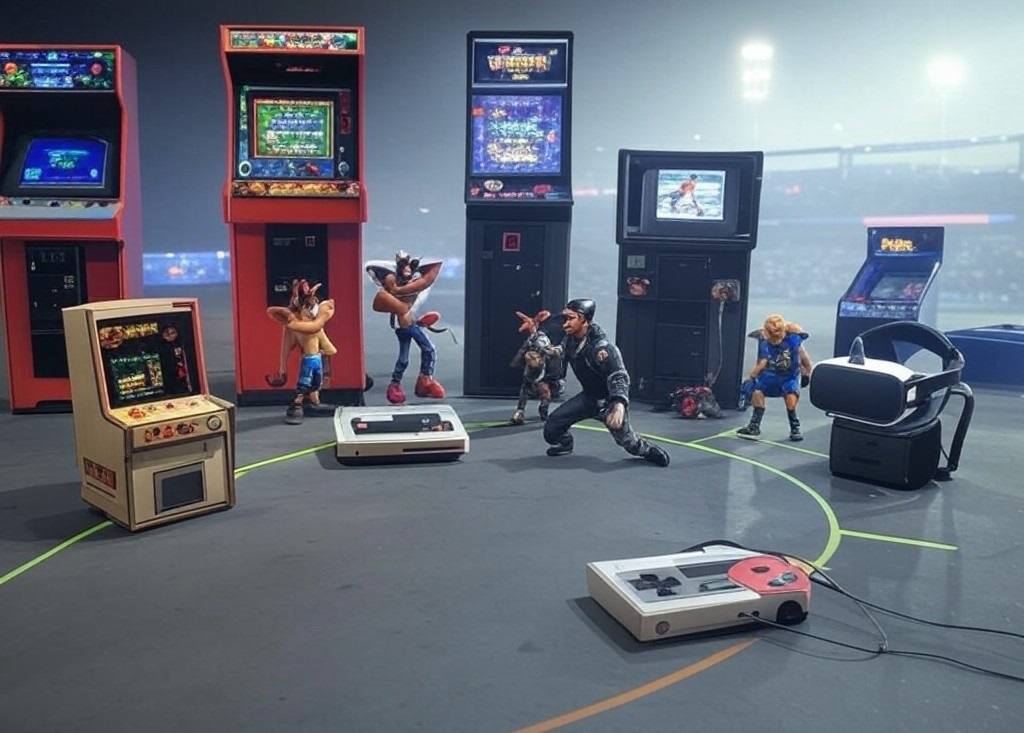
The Most Influential Video Games That Shaped the Industry 1. Critical Industry Question What makes a video game truly influential? Is it groundbreaking mechanics, cultural impact, or technological advancements? To answer this, we reached out to industry experts, game developers, and gaming historians to get their insights on the most pivotal games that changed the industry forever. 2. Expert Perspectives Expert: Dr. Jonathan Reeves (Gaming Historian & Author of The Digital Revolution of Gaming) Background Context Dr. Reeves argues that a game’s influence is measured by its ability to set new standards for mechanics, storytelling, and community engagement. Unique Viewpoint Super Mario Bros. (1985) revolutionized side-scrolling platformers, creating a blueprint for countless games. The Legend of Zelda: Ocarina of Time (1998) introduced open-world exploration and context-sensitive controls. Doom (1993) set the foundation for the first-person shooter (FPS) genre. Implementation Advice Game developers should study the design principles behind these classics—such as intuitive level design and engaging mechanics—to create timeless experiences. Success Stories Hollow Knight and Celeste evolved platforming mechanics inspired by Super Mario Bros. Breath of the Wild took inspiration from Ocarina of Time for open-world innovation. Common Pitfalls Many modern games focus too much on graphics and not enough on gameplay depth, leading to forgettable experiences. Expert: Sarah Li (Indie Game Developer, Creative Director at Pixel Forge Studios) Background Context Sarah highlights how indie games have been shaped by early industry-defining titles and how accessibility in game development has transformed creative expression. Unique Viewpoint Minecraft (2009) pioneered procedural generation and player creativity. Undertale (2015) showed that storytelling and player agency can outweigh production budgets. The Sims (2000) created an entirely new genre focused on life simulation. Implementation Advice For indie developers, the lesson is clear: innovation doesn’t always require cutting-edge graphics, but rather a unique hook that engages players emotionally and intellectually. Success Stories Hollow Knight became a successful indie game by refining Metroidvania mechanics. Among Us took inspiration from social deduction games and became a global phenomenon. Common Pitfalls Some indie developers try to mimic AAA games instead of leveraging their strengths—storytelling, art direction, and innovation. Expert: Mark Davidson (Lead Developer at Epic Vision Games) Background Context Mark discusses how online multiplayer games have evolved, citing key titles that redefined the genre. Unique Viewpoint World of Warcraft (2004) set the standard for MMORPGs with its vast world and social features. Counter-Strike (1999) created the competitive online FPS blueprint. Fortnite (2017) redefined battle royale gaming and live-service models. Implementation Advice Multiplayer game developers must prioritize balance, community management, and continual updates to sustain engagement. Success Stories Valorant successfully built upon Counter-Strike’s tactical shooter mechanics. Apex Legends introduced unique character abilities, evolving the battle royale genre. Common Pitfalls Many live-service games fail due to lack of content updates, leading to player fatigue and declining interest. 3. Synthesis of Insights From these expert perspectives, several key trends emerge: Legacy Mechanics: Many influential games introduced mechanics that are still used today. Innovation Over Graphics: Simplicity and originality often outweigh photorealistic visuals. Community-Driven Evolution: The most impactful games created thriving player communities that shaped their longevity. The Rise of Indie Innovation: Smaller studios are pushing the boundaries with storytelling and gameplay mechanics. 4. Action Plan for Readers For Gamers Explore the classics that shaped the industry to appreciate modern innovations. Engage with indie titles that challenge traditional gaming conventions. Support live-service games that prioritize meaningful updates and community engagement. For Game Developers Study successful mechanics from past influential games and evolve them. Focus on gameplay depth and unique experiences rather than excessive graphical fidelity. Foster an active community to ensure longevity and sustained engagement. For Industry Professionals Keep an eye on indie innovations and emerging trends in player engagement. Balance commercial viability with creative risks to stand out in the market. Stay informed about new technologies shaping game development, such as AI-generated content and cloud gaming. Conclusion The gaming industry has been shaped by groundbreaking titles that introduced new mechanics, genres, and cultural shifts. Understanding the impact of these games helps both players and developers navigate the ever-evolving entertainment landscape. Whether you’re a gamer, developer, or industry expert, knowing the legacy of influential games allows you to appreciate and contribute to the next era of gaming innovation. All Posts Entertainment The Science Behind Why We Love Certain Types of Entertainment Read More The Evolution of Special Effects in Movies and Video Games Read More

How Celebrities Stay Fit and Healthy While Juggling Their Careers
How Celebrities Stay Fit and Healthy While Juggling Their Careers 1. Surprising Industry Statistic The global wellness industry is valued at over $4.5 trillion, with celebrities playing a significant role in driving fitness and health trends. According to a report by the Global Wellness Institute, 79% of people are influenced by celebrity health routines, fitness endorsements, and lifestyle choices. 2. Major Trends in Celebrity Health & Fitness Trend #1: Personalized Nutrition and Biohacking Historical Context Celebrity fitness and nutrition have come a long way from generic diet plans to highly customized regimens based on DNA testing, bloodwork, and metabolic data. Early wellness trends revolved around low-fat diets and calorie counting, whereas today’s approach focuses on optimizing bodily functions at a cellular level. Current Impact DNA-based diets help celebrities tailor their meal plans to their genetic predispositions. Intermittent fasting is a common practice among stars like Hugh Jackman and Jennifer Aniston. Biohacking techniques such as red-light therapy, cryotherapy, and IV drips are now routine for peak performance. Future Predictions AI-powered nutrition apps will become more prevalent, offering real-time tracking of an individual’s dietary needs. The rise of nutrigenomics—the study of how food interacts with genes—will further personalize celebrity diets. Implementation Strategies Invest in wearable health tech (e.g., Oura Ring, WHOOP) for real-time health tracking. Experiment with fasting and hydration routines to optimize energy levels. Case Study: Tom Brady Tom Brady’s TB12 Method focuses on an anti-inflammatory diet, hydration strategies, and muscle pliability exercises, influencing thousands of athletes and fans. Trend #2: Hybrid Workouts and Functional Training Historical Context Traditional bodybuilding was once the go-to workout for celebrities, but over the past decade, functional fitness has gained momentum. Early adopters included Hollywood action stars who needed to train for physically demanding roles. Current Impact CrossFit and HIIT workouts are increasingly popular among celebrities like Chris Hemsworth and Brie Larson. Martial arts training is widely used by actors preparing for action films, such as Keanu Reeves for John Wick. Hybrid training (a mix of strength, flexibility, and endurance) is becoming a staple in many fitness regimens. Future Predictions Expect a rise in VR-based fitness programs, combining entertainment and exercise. Wearable resistance technology (like exosuits) may become mainstream for enhanced workouts. Implementation Strategies Combine resistance training with flexibility exercises to achieve a well-rounded routine. Use interactive fitness apps like Peloton or Apple Fitness+ to stay engaged. Case Study: Dwayne “The Rock” Johnson The Rock’s hybrid training method includes powerlifting, functional strength training, and endurance work, making him one of the fittest actors in Hollywood. Trend #3: Mental Health and Mindfulness Integration Historical Context The stigma around mental health in Hollywood is gradually dissolving, thanks to celebrity advocacy. In the past, mental health concerns were often ignored, but today, mindfulness practices are as vital as physical exercise. Current Impact Meditation and mindfulness apps (like Calm and Headspace) have seen an increase in usage among celebrities. Therapeutic practices like journaling, breathwork, and sound therapy are becoming daily rituals for public figures. Sleep optimization has become a primary focus, with many celebrities prioritizing rest as a performance enhancer. Future Predictions AI-driven mental health coaches will be integrated into celebrity wellness programs. Virtual reality (VR) meditation experiences will become a common stress-relief tool. Implementation Strategies Schedule daily mindfulness sessions to improve focus and mental clarity. Prioritize quality sleep by following expert-backed routines and limiting screen exposure before bed. Case Study: Selena Gomez Selena Gomez openly advocates for mental health awareness, integrating meditation, therapy, and self-care routines into her lifestyle. 3. Contrarian Viewpoints Not all experts agree that celebrity fitness trends should be followed. Some argue that: Over-customized plans are unnecessary for the average person. Expensive therapies (like cryotherapy) don’t always offer significant health benefits. Social media-driven fitness trends can create unrealistic expectations and pressure. 4. Future Outlook Tech-Driven Wellness: AI-powered fitness coaches and real-time biometrics will shape the future of personal health. Sustainability in Fitness: More celebrities will advocate for eco-friendly health solutions, such as plant-based diets and sustainable activewear. Longevity-Focused Health: Instead of short-term aesthetics, more celebrities will focus on long-term health strategies inspired by the Blue Zones (regions where people live the longest). Conclusion Celebrity fitness and health routines continue to evolve, blending technology, nutrition, and mindfulness to maintain peak performance. Whether following DNA-based diets, engaging in hybrid workouts, or prioritizing mental wellness, celebrities are setting the pace for industry-wide health trends. However, individuals should personalize these trends to fit their unique lifestyles rather than blindly adopting every new fad. For readers looking to integrate celebrity-inspired health trends into their routines, the key is balance, sustainability, and scientific backing rather than chasing fleeting trends. All Posts Entertainment Why Some Celebrities Prefer Living Away from the Spotlight Read More The Most Influential Video Games That Shaped the Industry Read More The Science Behind Why We Love Certain Types of Entertainment Read More The Evolution of Special Effects in Movies and Video Games Read More
The Science Behind Why We Love Certain Types of Entertainment
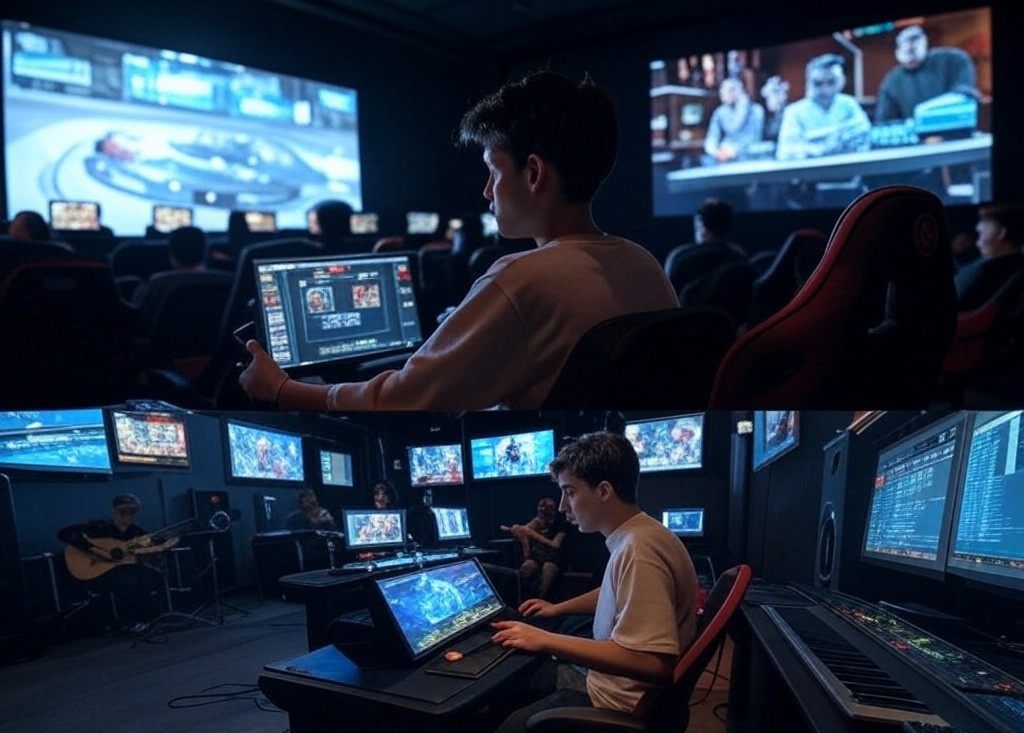
The Science Behind Why We Love Certain Types of Entertainment 1. Overview of the Common Challenge Entertainment has always been an essential part of human culture, but why are certain forms more appealing than others? Whether it’s the emotional depth of movies, the adrenaline rush of gaming, or the nostalgia of music, our entertainment choices are deeply rooted in psychology and social influence. This blog post explores case studies from different entertainment sectors to understand what drives audience engagement and long-term success. 2. Case Studies Case Study 1: The Rise of Streaming Platforms in the Film Industry Initial Situation: Before streaming services, traditional cable TV and cinema dominated the movie and TV industry. Consumers had limited options, and accessibility was often restricted by geographic location or pricing models. Challenges Faced: Consumers demanded more flexibility in viewing times. Piracy became rampant due to high movie ticket costs. Production companies were hesitant to shift from traditional distribution. Solutions Attempted: Premium cable channels introduced on-demand viewing. Subscription-based streaming platforms (Netflix, Hulu, Amazon Prime) emerged. Exclusive streaming rights and original productions increased competition. Final Solution: The subscription model proved successful, with Netflix leading the industry shift towards direct-to-consumer content. Personalized recommendations through AI enhanced user engagement. Results and Metrics: Netflix reported over 220 million subscribers worldwide. Piracy rates decreased as streaming platforms became more affordable. Traditional TV viewership declined by 30% in major markets. Key Learnings: Convenience and accessibility are key drivers of consumer choices. AI-driven personalization increases user retention. Exclusive content boosts platform loyalty. Case Study 2: The Influence of Viral Music Trends Initial Situation: The music industry was once dominated by radio and album sales, but the rise of digital platforms changed how artists distribute and promote their music. Challenges Faced: Independent artists struggled to gain exposure. Record labels controlled mainstream success. Audience engagement was hard to measure before digital streaming analytics. Solutions Attempted: Social media integration allowed artists to self-promote. Platforms like TikTok, Spotify, and YouTube created algorithm-driven music recommendations. Short-form content encouraged virality. Final Solution: User-generated content and challenges on TikTok helped propel songs to mainstream popularity. Streaming services incorporated playlist placements based on trend analytics. Results and Metrics: Over 70% of Billboard Hot 100 entries were driven by TikTok trends. Spotify’s curated playlists increased song exposure by over 300%. Independent artists gained massive followings without label backing. Key Learnings: Social media virality plays a crucial role in music success. Streaming data helps predict future hits. Short-form content is a dominant discovery tool for music consumers. Case Study 3: The Gaming Industry’s Shift to Live Streaming and eSports Initial Situation: Gaming was once a solitary or local multiplayer experience. While video game competitions existed, they were largely underground and niche. Challenges Faced: Gamers lacked exposure to global competitive opportunities. Game developers struggled to monetize beyond one-time sales. Streaming platforms faced early adoption resistance. Solutions Attempted: Twitch and YouTube Gaming allowed gamers to live-stream their gameplay. Sponsorships and ad revenue became sustainable business models. Competitive gaming leagues (eSports) were heavily promoted. Final Solution: Major tournaments like The International (Dota 2) and Fortnite World Cup offered multi-million-dollar prize pools, increasing mainstream legitimacy. Results and Metrics: Twitch reported over 31 million daily active users. eSports viewership surpassed 500 million worldwide. Gaming companies introduced live-service models, increasing profitability. Key Learnings: Live-streaming enhances community engagement. eSports created an entirely new revenue model for gaming. Monetization strategies evolved beyond traditional game sales. 3. Comparative Analysis Sector Key Challenge Solution Outcome Film & TV Viewership accessibility Subscription streaming services Increased engagement, reduced piracy Music Artist exposure and virality Social media + streaming integration More independent success, data-driven hits Gaming Competitive play + monetization Live streaming + eSports New revenue streams, increased global participation 4. Implementation Guide For businesses and creators looking to capitalize on entertainment trends, here are actionable steps: Leverage Digital Platforms: Invest in AI-powered personalization for content delivery. Use Social Media for Promotion: Encourage user-generated content to drive engagement. Adopt Subscription Models: If applicable, transition to a membership or service-based revenue model. Integrate Live Elements: Whether it’s streaming, live Q&A sessions, or interactive experiences, real-time engagement is key. Monitor Data & Trends: Utilize analytics to predict audience preferences and adapt accordingly. Success Metrics Audience Engagement: Track watch times, music streams, or game sessions. Revenue Growth: Measure subscriptions, purchases, or ad monetization. Viral Reach: Evaluate social media shares, user participation, and trending data. Retention Rates: Assess the longevity of consumer interaction over time. Failure Points and Lessons Over-reliance on one platform can lead to decreased reach (e.g., Vine shutting down). Trends evolve quickly; adaptability is crucial for sustained relevance. Consumer behavior must guide innovation to ensure long-term success. Conclusion Entertainment preferences are driven by a mix of psychological, social, and technological factors. By studying case studies across film, music, and gaming, we can see that accessibility, engagement, and adaptability are key factors for success. Whether you’re a content creator, business owner, or entertainment enthusiast, understanding these dynamics can help you stay ahead in the ever-changing entertainment landscape. All Posts Entertainment The Evolution of Special Effects in Movies and Video Games Read More

The Evolution of Special Effects in Movies and Video Games
The Evolution of Special Effects in Movies and Video Games 1. The State of the Industry Special effects (SFX) have revolutionized the entertainment industry, shaping how audiences experience movies and video games. From practical effects to digital innovations, SFX have become a core element of storytelling, enhancing immersion and engagement. Today, the industry is witnessing rapid advancements in CGI (Computer-Generated Imagery), real-time rendering, and AI-driven effects, setting new benchmarks for realism and creativity. The Growing Impact Movies: Special effects play a crucial role in bringing fantastical worlds to life, from the Marvel Cinematic Universe to independent sci-fi masterpieces. Video Games: Cutting-edge graphics and physics engines allow developers to create ultra-realistic environments and interactive storytelling. Streaming & VR: The rise of streaming services and virtual reality gaming is driving further innovation in immersive special effects. 2. Core Concepts Explained Fundamentals of Special Effects Practical Effects: Techniques like animatronics, prosthetics, and miniatures (e.g., original Star Wars trilogy, Jurassic Park). Computer-Generated Imagery (CGI): The use of computer graphics to create visual elements (e.g., Avatar, The Matrix). Motion Capture (Mo-Cap): Capturing human movement for realistic character animations (Gollum in Lord of the Rings, video game characters like Kratos in God of War). Green Screen & Compositing: Blending real and virtual elements for seamless integration. Advanced Concepts Ray Tracing: A rendering technique simulating real-time lighting for ultra-realistic shadows and reflections (Cyberpunk 2077, The Lion King remake). Deep Learning & AI: Automating animation and enhancing CGI realism with AI-powered tools (The Mandalorian’s AI-enhanced de-aging). Virtual Production: Combining CGI and real-time rendering for seamless filmmaking (e.g., The Volume used in The Mandalorian). Unreal Engine in Film & Gaming: A game engine increasingly used for real-time rendering in movies and cinematics. Expert Techniques 3D Scanning & Photogrammetry: Creating hyper-realistic models from real-world objects. Procedural Generation: Using algorithms to generate complex environments and effects. Facial Performance Capture: Advancing digital human representation (Deepfake technology, The Last of Us Part II). Physics-Based Simulations: Realistic destruction, water, and fire effects in movies and games (Battlefield series, Michael Bay’s explosion-heavy films). 3. Implementation Strategies For Filmmakers Invest in high-quality CGI software (Maya, Houdini, Blender). Utilize motion capture for realistic character animation. Combine practical and digital effects for seamless storytelling. For Game Developers Use advanced physics engines (Havok, Unreal Engine 5) for realism. Optimize asset creation for efficiency and high-performance rendering. Leverage AI-powered upscaling for better graphics in lower-powered hardware. 4. Future Trends in Special Effects Real-Time Rendering: Revolutionizing how effects are integrated into films and games. AI-Generated Animation: Automating tedious animation tasks for faster production. Immersive AR & VR: Expanding storytelling through augmented and virtual reality. Cloud-Based Processing: Enabling high-end effects on lower-end hardware. Metaverse & Interactive Experiences: Creating immersive entertainment experiences beyond traditional screens. 5. Tools and Resources Software & Technologies For Movies: Adobe After Effects, Houdini, Maya, Nuke For Games: Unreal Engine, Unity, Blender, Substance Painter AI & Machine Learning: NVIDIA DLSS, OpenAI’s DALL-E for conceptual designs Cloud Rendering: Google Stadia, NVIDIA GeForce Now for real-time cloud-based rendering 6. Expert Tips Filmmakers: Blend practical and CGI effects to avoid the uncanny valley effect. Game Developers: Use LOD (Level of Detail) techniques to optimize rendering. Both: Stay updated on new technologies like AI-enhanced facial animation. 7. Common Challenges and Troubleshooting Guide Movies Challenge: Overuse of CGI leading to artificial aesthetics. Solution: Combine practical effects where possible. Video Games Challenge: Poor optimization leading to performance issues. Solution: Utilize procedural generation for asset efficiency. Both Challenge: Budget constraints for high-end effects. Solution: Utilize open-source tools and AI-assisted design to reduce costs. 8. Success Metrics Visual Realism: Audience engagement and suspension of disbelief. Performance: Frame rate stability in gaming, rendering speed in film. User Experience: Seamless immersion without distracting artifacts. Industry Recognition: Awards, critical acclaim, and audience reception. Conclusion The evolution of special effects has transformed movies and video games into unparalleled storytelling mediums. As technology continues to advance, the line between reality and fiction will blur even further, opening new possibilities for creators and audiences alike. Whether you’re a filmmaker, game developer, or entertainment enthusiast, understanding the past, present, and future of special effects is key to appreciating their impact on the industry.