1. Introduction: Why Misconceptions Exist
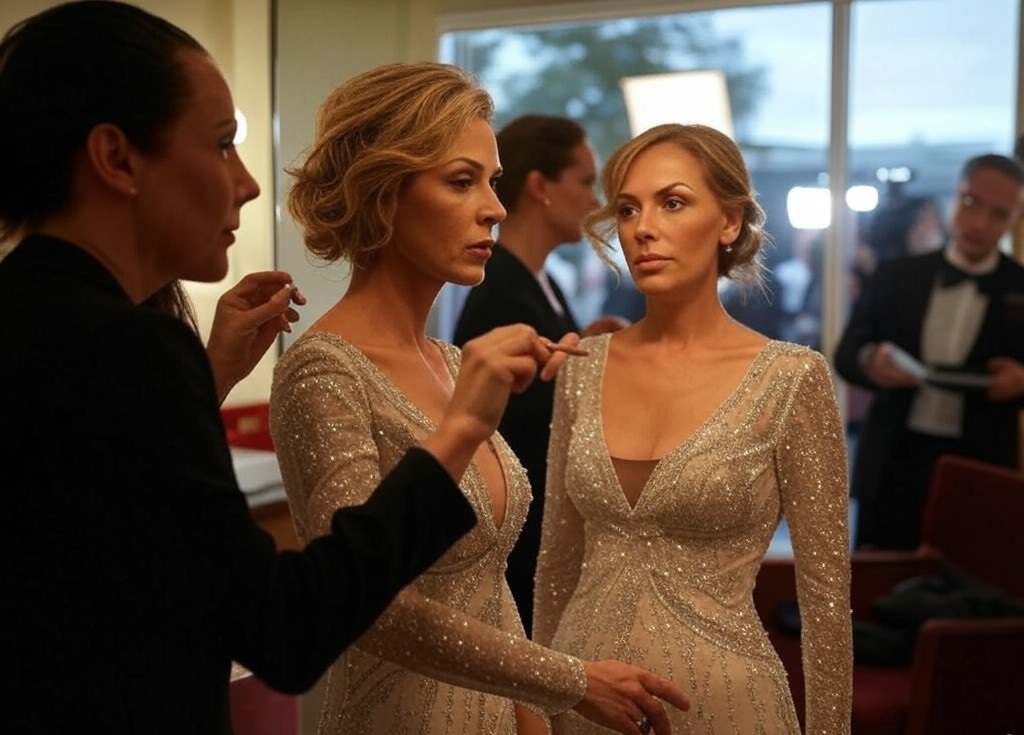
The world of entertainment is built on the idea that celebrities love fame and fortune, craving public attention at all times. However, many high-profile figures choose to live away from the spotlight, leading to misconceptions about their choices. These myths are often fueled by media portrayals, fan expectations, and the assumption that fame equals happiness. In this article, we’ll debunk some of the most common misconceptions about why some celebrities prefer a life of privacy.
2. Busting the Myths
Myth #1: Celebrities Who Step Away Must Be Hiding Something
Common Belief
Many people assume that when a celebrity disappears from the public eye, they must be involved in scandals, hiding personal struggles, or dealing with secret legal issues.
Why People Believe It
- Tabloids and entertainment news often sensationalize celebrities’ private lives.
- High-profile scandals fuel public curiosity about those who remain private.
- Past cases of celebrities retreating from fame due to legal or personal issues reinforce the stereotype.
The Reality
- Many celebrities simply value their privacy and want a normal life away from constant scrutiny.
- Some step away to focus on family, mental health, or personal growth rather than because of scandals.
- Public figures like Dave Chappelle and Rick Moranis have made conscious decisions to step back for personal reasons rather than controversy.
What to Do Instead
- Understand that celebrities, like anyone, have personal choices that don’t always align with public expectations.
- Avoid spreading baseless speculation when a public figure decides to step away.
Expert Backing
According to Dr. Jennifer Kowalski, a psychologist specializing in media studies, “Constant exposure to fame can lead to burnout, anxiety, and stress. Many individuals who achieve celebrity status eventually realize they prefer a lifestyle with more control over their privacy.”
Myth #2: All Celebrities Love Attention and the Media
Common Belief
Fame is addictive, and anyone who enters the entertainment industry must love constant attention.
Why People Believe It
- The entertainment industry thrives on publicity, and most successful careers involve media exposure.
- Red carpet events, interviews, and social media presence create the illusion that all celebrities enjoy being in the spotlight.
- Famous figures who do enjoy attention are more visible than those who do not.
The Reality
- Many artists and actors pursue their craft, not fame. Examples include Daniel Day-Lewis, who chooses private life over Hollywood glitz.
- Some celebrities actively avoid social media and press, preferring to focus on their work rather than constant self-promotion.
- Fame often comes as an unintended consequence of talent and success rather than an active desire for media attention.
What to Do Instead
- Respect celebrities’ decisions to engage with media on their own terms.
- Recognize that creative passion does not always align with public engagement.
Expert Backing
Public relations expert Linda Harmon states, “Not all celebrities are in it for the fame. Some enter the industry purely for artistic expression and storytelling rather than the social aspects of stardom.”
Myth #3: Private Celebrities Must Be Out of Work or Irrelevant
Common Belief
If a celebrity is no longer appearing in movies, TV shows, or social media, they must be struggling or have lost relevance.
Why People Believe It
- Fans associate visibility with success.
- Social media culture rewards constant updates and appearances.
- The industry often moves quickly, making it easy to forget about those who step back.
The Reality
- Some celebrities pivot into different careers, such as directing, philanthropy, or business ventures.
- Others choose selective roles that align with their personal values rather than mainstream success.
- Classic actors like Sean Connery retired by choice despite having lucrative offers.
What to Do Instead
- Recognize that career success is not solely measured by public appearances.
- Support and appreciate artists for their work rather than just their visibility.
Expert Backing
Film historian Mark Reynolds says, “The idea that actors must always be in the limelight to be successful is flawed. Many successful entertainers work behind the scenes or take on passion projects outside of mainstream media.”
3. Industry Impact
- Changing Perceptions: More celebrities are setting boundaries with the media, pushing back against invasive reporting.
- Social Media Influence: Some stars use social media selectively to maintain privacy while still engaging fans on their terms.
- Mental Health Awareness: The entertainment industry is becoming more open about the impact of constant exposure on mental well-being.
4. Future Implications
- More Celebrities Choosing Privacy: With growing awareness of mental health concerns, more celebrities will likely choose semi-private lifestyles.
- New Media Engagement Models: Stars may increasingly control their narratives through direct channels like personal blogs, exclusive interviews, and limited appearances.
- Audience Responsibility: Fans and media consumers must balance curiosity with respect for personal boundaries.
Conclusion
The idea that all celebrities crave fame and constant attention is a misconception. Many choose to step away for personal, professional, or mental health reasons. Understanding these decisions helps shift industry expectations and promotes a healthier relationship between the public and famous figures. As entertainment continues to evolve, so too must our perception of what it means to be a celebrity.
- All Posts
- Entertainment