1. The State of the Industry
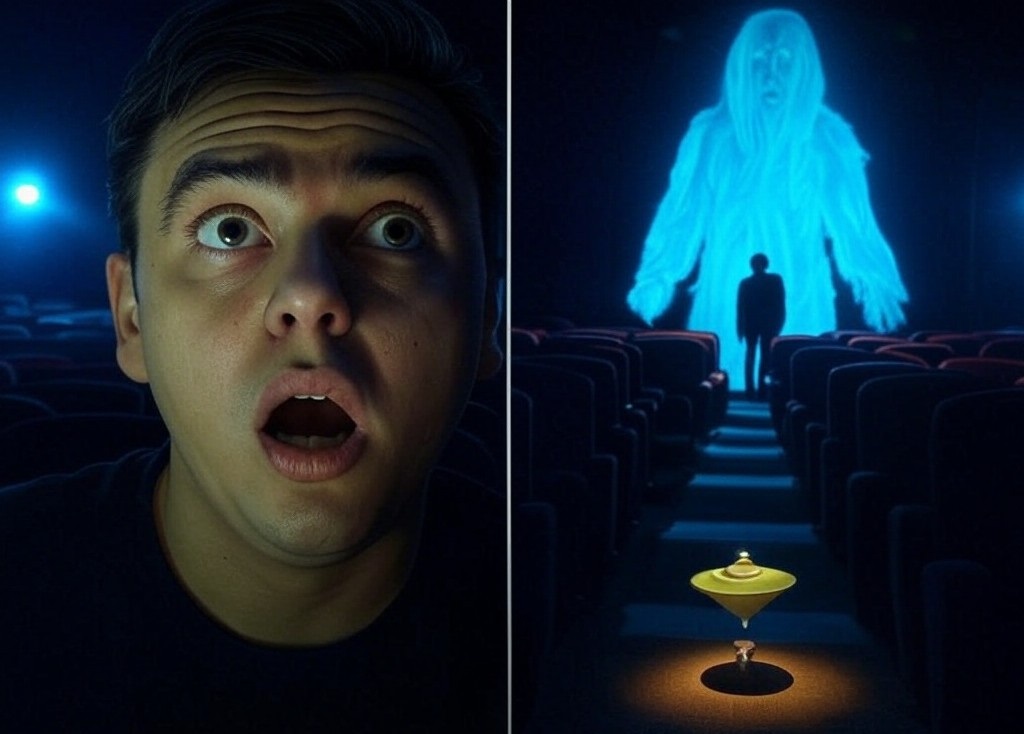
Special effects (SFX) have revolutionized the entertainment industry, shaping how audiences experience movies and video games. From practical effects to digital innovations, SFX have become a core element of storytelling, enhancing immersion and engagement. Today, the industry is witnessing rapid advancements in CGI (Computer-Generated Imagery), real-time rendering, and AI-driven effects, setting new benchmarks for realism and creativity.
The Growing Impact
- Movies: Special effects play a crucial role in bringing fantastical worlds to life, from the Marvel Cinematic Universe to independent sci-fi masterpieces.
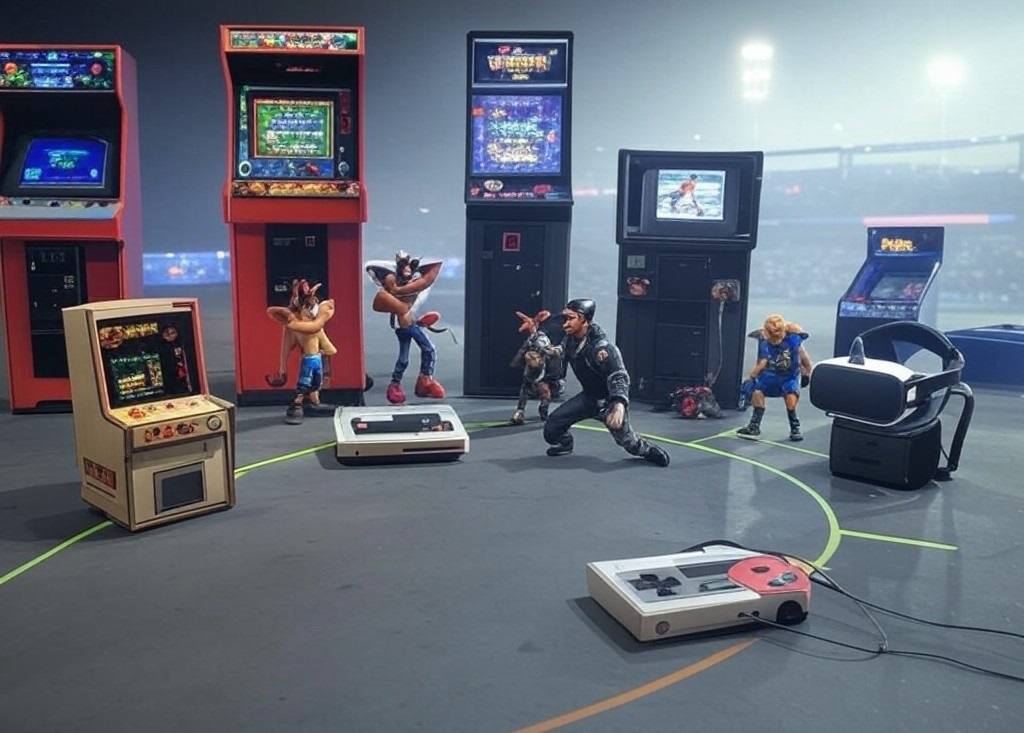
- Video Games: Cutting-edge graphics and physics engines allow developers to create ultra-realistic environments and interactive storytelling.
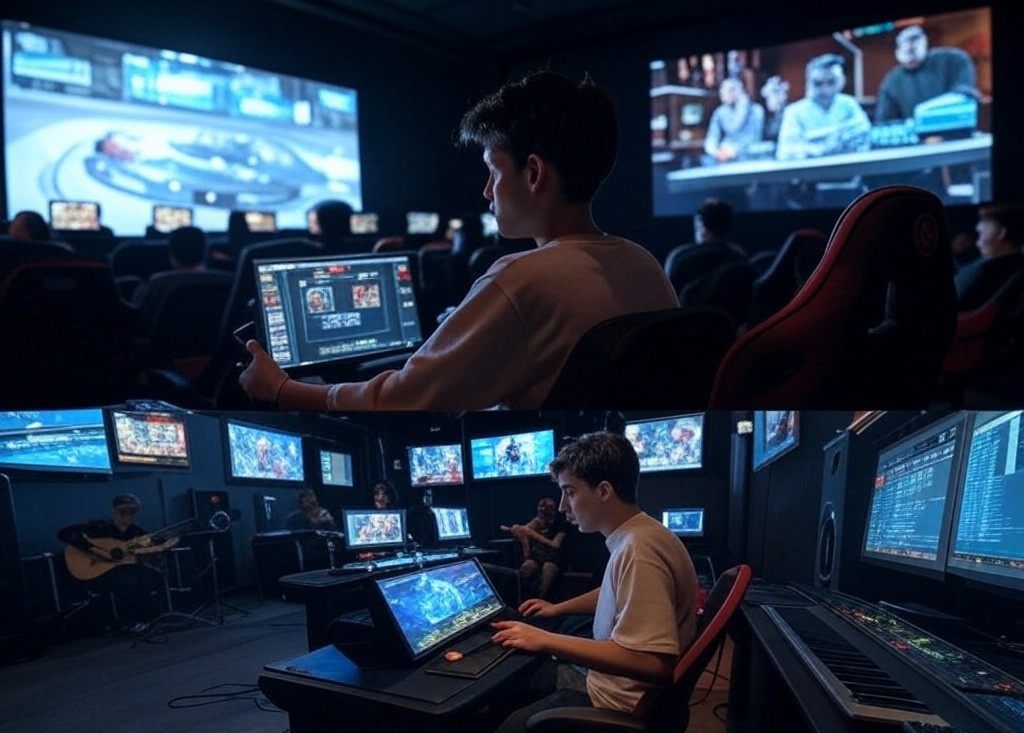
- Streaming & VR: The rise of streaming services and virtual reality gaming is driving further innovation in immersive special effects.
2. Core Concepts Explained
Fundamentals of Special Effects
- Practical Effects: Techniques like animatronics, prosthetics, and miniatures (e.g., original Star Wars trilogy, Jurassic Park).
- Computer-Generated Imagery (CGI): The use of computer graphics to create visual elements (e.g., Avatar, The Matrix).
- Motion Capture (Mo-Cap): Capturing human movement for realistic character animations (Gollum in Lord of the Rings, video game characters like Kratos in God of War).
- Green Screen & Compositing: Blending real and virtual elements for seamless integration.
Advanced Concepts
- Ray Tracing: A rendering technique simulating real-time lighting for ultra-realistic shadows and reflections (Cyberpunk 2077, The Lion King remake).
- Deep Learning & AI: Automating animation and enhancing CGI realism with AI-powered tools (The Mandalorian’s AI-enhanced de-aging).
- Virtual Production: Combining CGI and real-time rendering for seamless filmmaking (e.g., The Volume used in The Mandalorian).
- Unreal Engine in Film & Gaming: A game engine increasingly used for real-time rendering in movies and cinematics.
Expert Techniques
- 3D Scanning & Photogrammetry: Creating hyper-realistic models from real-world objects.
- Procedural Generation: Using algorithms to generate complex environments and effects.
- Facial Performance Capture: Advancing digital human representation (Deepfake technology, The Last of Us Part II).
- Physics-Based Simulations: Realistic destruction, water, and fire effects in movies and games (Battlefield series, Michael Bay’s explosion-heavy films).
3. Implementation Strategies
For Filmmakers
- Invest in high-quality CGI software (Maya, Houdini, Blender).
- Utilize motion capture for realistic character animation.
- Combine practical and digital effects for seamless storytelling.
For Game Developers
- Use advanced physics engines (Havok, Unreal Engine 5) for realism.
- Optimize asset creation for efficiency and high-performance rendering.
- Leverage AI-powered upscaling for better graphics in lower-powered hardware.
4. Future Trends in Special Effects
- Real-Time Rendering: Revolutionizing how effects are integrated into films and games.
- AI-Generated Animation: Automating tedious animation tasks for faster production.
- Immersive AR & VR: Expanding storytelling through augmented and virtual reality.
- Cloud-Based Processing: Enabling high-end effects on lower-end hardware.
- Metaverse & Interactive Experiences: Creating immersive entertainment experiences beyond traditional screens.
5. Tools and Resources
Software & Technologies
- For Movies: Adobe After Effects, Houdini, Maya, Nuke
- For Games: Unreal Engine, Unity, Blender, Substance Painter
- AI & Machine Learning: NVIDIA DLSS, OpenAI’s DALL-E for conceptual designs
- Cloud Rendering: Google Stadia, NVIDIA GeForce Now for real-time cloud-based rendering
6. Expert Tips
- Filmmakers: Blend practical and CGI effects to avoid the uncanny valley effect.
- Game Developers: Use LOD (Level of Detail) techniques to optimize rendering.
- Both: Stay updated on new technologies like AI-enhanced facial animation.
7. Common Challenges and Troubleshooting Guide
Movies
Challenge: Overuse of CGI leading to artificial aesthetics. Solution: Combine practical effects where possible.
Video Games
Challenge: Poor optimization leading to performance issues. Solution: Utilize procedural generation for asset efficiency.
Both
Challenge: Budget constraints for high-end effects. Solution: Utilize open-source tools and AI-assisted design to reduce costs.
8. Success Metrics
- Visual Realism: Audience engagement and suspension of disbelief.
- Performance: Frame rate stability in gaming, rendering speed in film.
- User Experience: Seamless immersion without distracting artifacts.
- Industry Recognition: Awards, critical acclaim, and audience reception.
Conclusion
The evolution of special effects has transformed movies and video games into unparalleled storytelling mediums. As technology continues to advance, the line between reality and fiction will blur even further, opening new possibilities for creators and audiences alike. Whether you’re a filmmaker, game developer, or entertainment enthusiast, understanding the past, present, and future of special effects is key to appreciating their impact on the industry.
- All Posts
- Entertainment