The Story of Mark: A Struggle with Low Open Rates
Mark was a small business owner who had spent years building his online brand. He had a solid following on social media marketing channels, an engaged audience reading his content marketing blog, and a loyal customer base. However, there was one area where he constantly struggled—email marketing.
Despite growing his email list to over 5,000 subscribers, his open rates hovered around 10%, and click-through rates were dismal. He couldn’t understand why his audience, who engaged with his content elsewhere, ignored his emails. Desperate for answers, Mark decided to revamp his email marketing strategy using proven best practices. Here’s what he learned.
Lesson 1: Craft Subject Lines That Spark Curiosity
One of the first things Mark discovered was that his subject lines were too generic. Emails with subject lines like “Our Latest Newsletter” or “Special Offer Inside” weren’t enticing enough to make his subscribers open them.
🔹 What Works Instead?
- Personalization: “[First Name], You’ll Love This Exclusive Offer!”
- Curiosity: “I Made This Mistake—Don’t Do the Same!”
- Urgency: “Only 24 Hours Left to Grab This Deal!”
👉 Pro Tip: According to HubSpot, emails with personalized subject lines are 26% more likely to be opened.
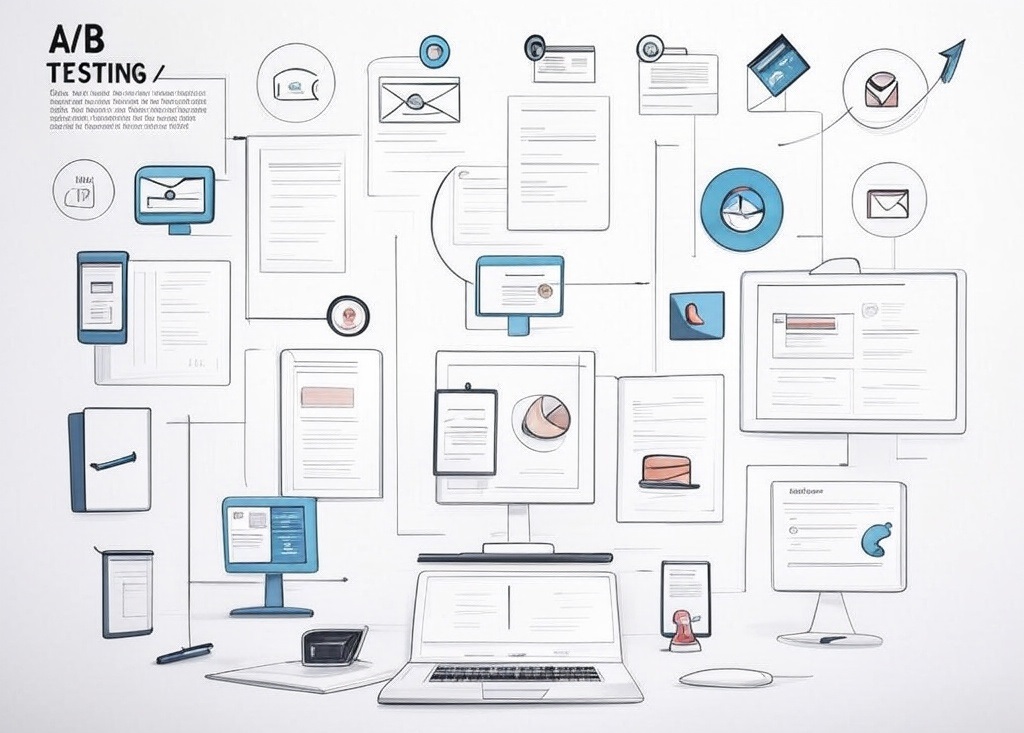
Mark started A/B testing different subject lines and quickly saw his email open rates jump from 10% to 25% within a few weeks.
Lesson 2: Nail the First Two Lines of Your Email
Even if subscribers open an email, they might not read past the first few lines. Mark learned that the preview text (the first sentence visible in an inbox) needed to hook the reader immediately.
🔹 How to Optimize It?
- Lead with a compelling story: “Last week, I made a huge marketing mistake…”
- Ask a thought-provoking question: “Are you making this common email mistake?”
- Offer a bold statement: “This email could double your sales.”
By making this simple tweak, Mark increased the time spent on emails by 40%, as more people were engaged enough to read further.
Lesson 3: Personalization & Segmentation Drive Conversions
Before revamping his email strategy, Mark used one-size-fits-all emails for his entire list. The result? Many subscribers ignored irrelevant messages.
🔹 The Fix?
- Segment by behavior: Mark grouped subscribers based on past purchases, website visits, and interactions with his emails.
- Personalized recommendations: He used dynamic content to suggest affiliate marketing products relevant to each subscriber’s interests.
- Triggered emails: A subscriber who abandoned their cart would receive a personalized reminder with a discount.
👉 Pro Tip: Marketers who use segmented campaigns see a 760% increase in revenue (Campaign Monitor).
Mark’s targeted approach led to a 30% higher click-through rate and increased conversions.
Lesson 4: Make Emails Visually Appealing & Mobile-Friendly
After running a quick audit, Mark found that 60% of his audience opened emails on mobile devices, yet his emails weren’t optimized for mobile viewing.
🔹 How to Fix It?
- Use responsive design with clean, simple formatting.
- Optimize images and CTAs for mobile screens.
- Break up text with bullet points and short paragraphs.
- Keep CTA buttons large and easy to tap.
👉 Pro Tip: According to Litmus, 70% of consumers delete emails that don’t display correctly on mobile.
Once Mark redesigned his emails for mobile-friendliness, his click-through rate increased by 22%.
Lesson 5: Add Value Before Selling
Initially, Mark’s emails were heavy on promotions and sales pitches. Subscribers weren’t engaging because they felt like they were constantly being sold to.
🔹 What He Did Instead?
- Shared useful content marketing tips.
- Offered exclusive industry insights on SEO (Search Engine Optimization).
- Provided links to top content marketing tools for 2025.
- Used storytelling to build a connection before pitching a product.
👉 Pro Tip: The 80/20 rule works best—80% valuable content, 20% promotion.
By shifting the focus to providing value first, Mark saw his unsubscribe rate drop by 40%.
Lesson 6: Leverage Automation Without Losing the Human Touch
Mark was also struggling to scale his email campaigns without spending hours crafting individual emails. Enter marketing automation.
🔹 How He Used It:
- Welcome sequences for new subscribers.
- Automated follow-ups for non-openers.
- Personalized email flows based on user behavior.
👉 Pro Tip: Brands that use marketing automation generate two times more leads than those that don’t (Forrester Research).
With automation, Mark was able to grow his email engagement while saving hours of manual work each week.
Final Takeaways: How to Apply These Best Practices
By implementing these email marketing best practices for higher engagement, Mark completely transformed his results. Here’s a quick recap of what worked:
✅ Write irresistible subject lines to boost open rates. ✅ Optimize the first two lines to hook readers instantly. ✅ Segment and personalize emails for better targeting. ✅ Ensure mobile-friendly design for easy readability. ✅ Offer valuable content first before making sales pitches. ✅ Use automation wisely while maintaining a personal touch.
Your Next Steps:
- Review your latest email campaign. Are you using these best practices?
- Run A/B tests on subject lines to improve open rates.
- Segment your email list and create personalized sequences.
- Test mobile-friendliness and optimize where necessary.
- Start providing value-driven content in every email.
🚀 Need help crafting high-converting emails? Start applying these techniques today and watch your engagement soar!
- All Posts
- Marketing & Advertising