The Common Challenge: Why Businesses Struggle with Scaling Marketing Efforts
For many businesses, marketing can feel like an endless cycle of content creation, email campaigns, social media management, and lead nurturing. As companies grow, manual marketing processes become unsustainable, leading to inefficiencies, inconsistent customer experiences, and missed revenue opportunities.
Marketing automation offers a solution, enabling businesses to streamline repetitive tasks, improve targeting, and enhance engagement. But how does it work in practice? Let’s explore real-world case studies where companies successfully implemented marketing automation to save time and scale their businesses effortlessly.
Case Study #1: E-commerce Brand Increases Revenue by 40% with Email Marketing Automation
Initial Situation
A fast-growing e-commerce brand specializing in sustainable fashion struggled with cart abandonment, low email open rates, and inefficient customer segmentation. Their team was manually sending promotional emails with no clear personalization strategy.
Challenges Faced
- High cart abandonment rate (70%)
- Low email open rates (12%)
- Difficulty in segmenting leads based on behavior
Solutions Attempted
✅ Basic Email Blasts: Sent generic newsletters to all subscribers, but engagement remained low.
✅ Social Media Ads: Drove traffic but resulted in poor retention.
Final Solution: AI-Driven Email Marketing Automation
The company adopted an email marketing automation tool (Klaviyo) and implemented:
- Cart abandonment sequences with time-sensitive offers.
- Personalized product recommendations based on browsing history.
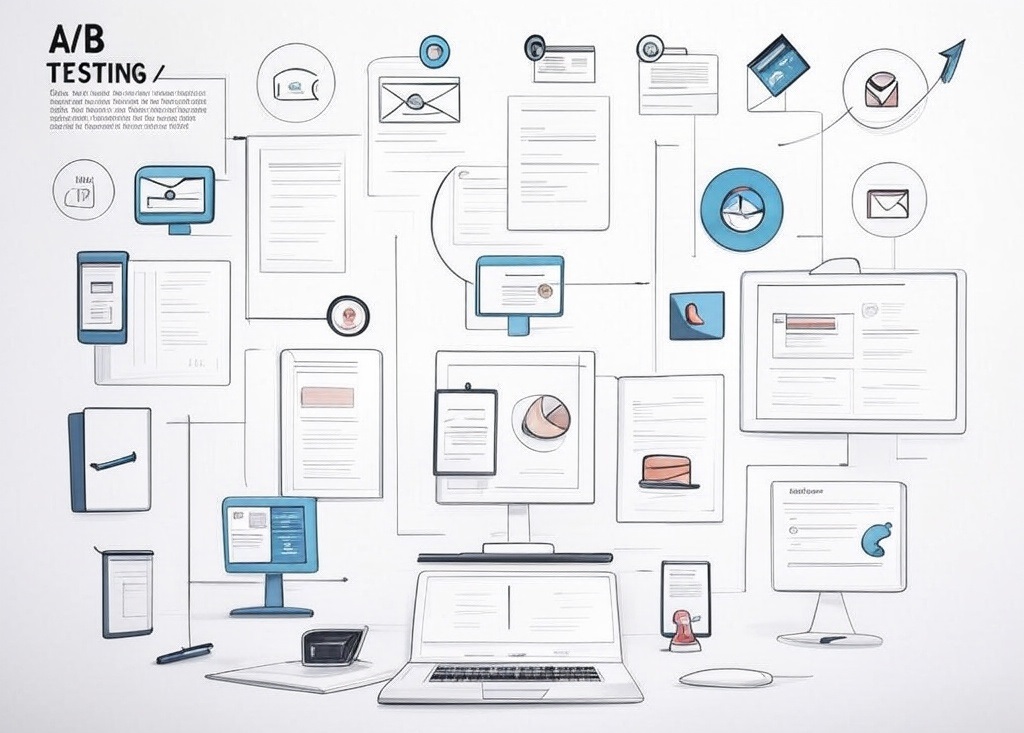
- A/B testing for subject lines and content.
Results & Metrics
📈 Cart recovery rate improved from 30% to 55% 📈 Email open rates increased from 12% to 28% 📈 Overall revenue boosted by 40% in six months
Key Learnings
- Personalization is key: Emails with tailored recommendations saw 3x higher conversions.
- A/B testing works: Minor tweaks in subject lines led to a 10% increase in open rates.
Case Study #2: SaaS Company Scales Lead Nurturing with Marketing Automation
Initial Situation
A mid-sized SaaS company faced issues with lead management—sales reps spent too much time following up manually, resulting in leads slipping through the cracks.
Challenges Faced
- Lead response time was over 48 hours.
- Poor lead qualification resulted in wasted sales efforts.
- Low conversion rates from free trial users to paid customers.
Solutions Attempted
✅ Manual follow-ups: Ineffective and time-consuming.
✅ Sales cold emails: Had a response rate of only 2%.
Final Solution: CRM & Marketing Automation Integration
The company integrated HubSpot Marketing Automation with its CRM system, automating lead scoring, segmentation, and nurturing.
Results & Metrics
📈 Lead response time reduced from 48 hours to under 10 minutes 📈 Free-to-paid conversion rates increased by 25% 📈 Sales efficiency improved, reducing manual follow-up time by 50%
Key Learnings
- Automated lead scoring ensures sales teams focus on high-value leads.
- Real-time follow-ups significantly improve customer engagement.
Case Study #3: B2B Company Boosts Content Marketing ROI by 300%
Initial Situation
A B2B tech firm relied heavily on content marketing but struggled to generate consistent leads from blog traffic. They lacked an effective lead capture and nurturing strategy.
Challenges Faced
- High blog traffic but low conversion rates (1.2%)
- No follow-up strategy for engaged readers
- Difficulty in tracking which content led to conversions
Solutions Attempted
✅ More content production: Helped with traffic but not lead generation.
✅ Social media promotions: Drove engagement but no significant increase in conversions.
Final Solution: Content-Driven Marketing Automation
The company implemented marketing automation workflows with content gating and lead nurturing via email.
Results & Metrics
📈 Lead conversion rates increased from 1.2% to 4.8% 📈 ROI from content marketing improved by 300% 📈 Email engagement rates doubled
Key Learnings
- Automated follow-ups keep leads engaged and moving through the funnel.
- Segmenting audiences based on content interactions increases conversions.
Comparative Analysis: Key Takeaways from All Case Studies
Challenge | E-commerce | SaaS | B2B Content Marketing |
Low engagement | ✅ Personalized email sequences | ✅ Lead nurturing automation | ✅ Content-driven lead capture |
Inefficient lead management | ✅ Behavioral segmentation | ✅ Lead scoring & CRM automation | ✅ Automated content drip campaigns |
Poor conversion rates | ✅ Abandoned cart automation | ✅ Free trial nurturing | ✅ Content tracking & retargeting |
Industry-Wide Impact of Marketing Automation
✅ Saves time and improves efficiency
✅ Increases customer engagement through personalization
✅ Enhances lead-to-sale conversion rates
Implementation Guide: How to Apply Marketing Automation to Your Business
🚀 Step 1: Identify Repetitive Marketing Tasks
- Email campaigns, social media posting, lead follow-ups
🚀 Step 2: Choose the Right Tools
- Best tools for small businesses: Mailchimp, HubSpot, ConvertKit
- For advanced automation: Marketo, Pardot, ActiveCampaign
🚀 Step 3: Set Up Automation Workflows
- Email marketing best practices for higher engagement (segmenting lists, A/B testing)
- How to create an effective social media marketing plan (scheduled posts, automated replies)
🚀 Step 4: Track Metrics & Optimize
- Use analytics tools to refine and scale your marketing automation strategies.
Final Thoughts: The Future of Marketing Automation
With AI advancements and evolving consumer behaviors, marketing automation is no longer optional—it’s a necessity for scaling businesses efficiently. Companies that embrace automation increase revenue, improve engagement, and free up time for high-impact activities.
🚀 Ready to scale your business effortlessly? Implement these marketing automation strategies today!
- All Posts
- Marketing & Advertising