The #1 Question Professionals Ask About Money
How much should you save from your salary each month? If you’re a busy professional juggling work, bills, and financial responsibilities, you’ve probably asked yourself this question at some point. The truth is, there’s no one-size-fits-all answer—but there are proven wealth management strategies that can help you save strategically, effortlessly, and consistently.
The Problem: Many Professionals Struggle to Save
- You earn well but feel like you’re living paycheck to paycheck.
- You want to invest and grow wealth, but you’re unsure how much to allocate.
- You worry about retirement, emergencies, and financial freedom, yet savings often take a back seat.
The Solution: A Simple, Proven Savings Strategy
This guide will help you:
✅ Identify exactly how much to save based on your income and goals.
✅ Learn the best saving money tips tailored for busy professionals.
✅ Discover automated saving plans to grow your wealth effortlessly.
✅ Implement investment strategies for busy professionals to maximize your savings.
By the end of this post, you’ll have a clear financial freedom plan that helps you build wealth while working full-time—without stress or confusion.
How Much Should You Save? (General Guidelines & Expert Advice)
1. The 50/30/20 Rule: A Simple Savings Framework
One of the most recommended financial planning strategies is the 50/30/20 rule, which divides your income into three categories:
- 50% Needs: Rent, utilities, groceries, insurance, and transportation.
- 30% Wants: Dining out, entertainment, shopping, and leisure activities.
- 20% Savings & Investments: Emergency fund, retirement, and other wealth-building goals.
💡 Example Calculation:
If you earn $6,000 per month, your savings target should be:
- $1,200 (20%) towards savings, investments, and retirement.
2. Adjusting Savings Based on Your Financial Goals
While 20% is a great starting point, professionals with different financial situations may need to tweak their savings rate:
🔹 Beginners (Starting With Low Savings)
- If you struggle with savings, start with 10% and increase gradually.
- Use best budgeting apps for busy professionals to track your progress.
🔹 High-Income Earners (Maximizing Wealth-Building)
- Aim for 30-40% savings if you have high earning potential.
- Explore best investment strategies to grow your money effectively.
🔹 Those With Debt (Balancing Debt & Savings)
- Prioritize debt repayment while saving at least 10-15%.
- Consider how to pay off student loans while working as part of your savings strategy.
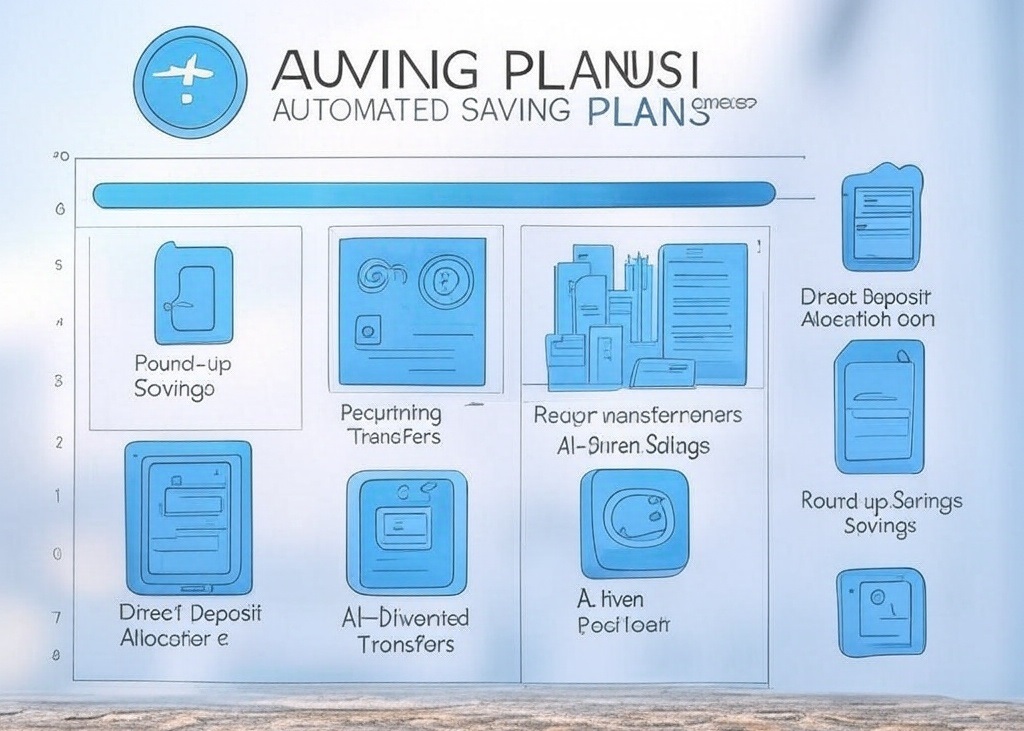
3. Automate Your Savings (The Effortless Wealth-Building Trick)
💡 Studies show that people who automate savings save 5x more than those who don’t. Set up:
✅ Direct deposit into a separate savings account.
✅ Automated transfers into retirement accounts.
✅ Round-up savings apps that save spare change from transactions.
📌 Best Automated Saving Plans for Professionals:
- Wealthfront, Acorns, and Chime for effortless investing.
- Employer-sponsored 401(k) or IRA for retirement growth.
Where Should You Put Your Savings? (Maximizing Your Returns)
1. Emergency Fund (Your Financial Safety Net)
Every professional should have at least 3-6 months’ worth of expenses in a high-yield savings account.
💡 Example: If your monthly expenses are $4,000, aim for a $12,000-$24,000 emergency fund.
2. Retirement Accounts (Future-Proof Your Finances)
Don’t just save—invest your savings into accounts that grow tax-free:
✅ 401(k) or IRA: Take advantage of employer match programs.
✅ Index funds & ETFs: Low-risk, high-return investments.
3. Passive Income Investments (Make Your Money Work for You)
💰 Instead of letting savings sit, consider passive income ideas for full-time employees:
- Dividend Stocks: Generate income while holding long-term.
- Real Estate Crowdfunding: Invest in properties without managing them.
- Side Hustles: Find the best side hustles for full-time employees to increase income streams.
Common Mistakes That Stop Professionals From Saving
🚫 Living Above Your Means: Even high earners can struggle if they overspend.
🚫 Not Prioritizing Savings: Treat savings as a “bill” you must pay every month.
🚫 Skipping Emergency Funds: Without savings, you may rely on credit cards for emergencies.
🚫 Failing to Invest: Keeping money in a regular savings account loses value due to inflation.
✅ Solution: Follow best financial habits for professionals, set up automated saving plans, and stay consistent!
Final Takeaways: The Ideal Savings Strategy for Busy Professionals
✅ Start with at least 20% of your salary—adjust based on your financial goals.
✅ Automate savings so you don’t have to think about it.
✅ Diversify your savings into emergency funds, retirement accounts, and investments.
✅ Use the best budgeting apps for professionals to track your finances effortlessly.
✅ Avoid lifestyle inflation—increase savings as your salary grows.
Next Steps: Take Action Today!
🔹 Step 1: Set up automated saving plans to reach your savings goal.
🔹 Step 2: Open a high-yield savings account for your emergency fund.
🔹 Step 3: Start investing in passive income ideas for full-time employees for long-term growth.
💡 Want to learn more? Check out our guide on how to invest with a full-time job to make the most of your savings!
- All Posts
- Personal Finance