Quick Win: Save $50 in the Next 5 Minutes
Want an instant way to cut your monthly expenses without giving up the things you love? Here’s a quick win:
1️⃣ Open your subscription services list (Netflix, Spotify, gym memberships, cloud storage).
2️⃣ Identify at least one service you rarely use.
3️⃣ Cancel or downgrade it now—this can instantly save you $10-$50 per month.
🔹 Bonus Tip: Call your internet or phone provider and ask for a better rate—many will lower your bill if you negotiate!
💡 Quick win result: You just saved money without sacrificing anything essential! Now, let’s go deeper into cutting your expenses while maintaining your lifestyle.
Prerequisites: Know Your Spending Habits
Before cutting costs, you need to understand where your money goes.
Step 1: Track Your Expenses (The 10-Minute Audit)
- Use an app like Mint, YNAB, or PocketGuard to categorize your expenses.
- Look for “invisible spending” (subscriptions, unused memberships, convenience fees).
- Identify the top three categories where you can reduce spending without lifestyle impact.
📌 Example: If you spend $200 on takeout every month, switching to home-cooked meals for just one week could cut this expense by 25%—while still allowing for occasional dining out.
Step-by-Step Breakdown: Cutting Costs While Keeping Your Lifestyle
Step 2: Lower Your Bills Without Losing Benefits
💡 Common Mistake: People assume cutting costs means sacrificing quality—but many services can be renegotiated or optimized instead.
How to Cut Costs Without Losing Services:
✅ Negotiate your phone, internet, and cable bill – Call your provider and ask for promotions or switch to a lower-cost plan.
✅ Bundle streaming services – Instead of Netflix, Hulu, and Disney+, pick just one per month and rotate.
✅ Use credit card cashback rewards – Apply savings from everyday purchases towards monthly bills.
📌 Before/After Example:
- Before: Paying $80/month for a gym membership you use twice a month.
- After: Switched to a $20 home workout program—saving $60/month without giving up fitness.
Step 3: Optimize Grocery & Dining Costs Without Eating Less
💡 Pro Tip: Meal prepping saves an average of $2,400 per year compared to eating out daily.
How to Save on Food Costs Without Deprivation:
✅ Grocery shopping hacks:
- Buy store-brand products instead of name brands (saves 20-30%).
- Plan meals around discounted or seasonal items.
- Use cashback grocery apps like Ibotta and Rakuten.
✅ Smart restaurant spending:
- Use credit card points for dining out.
- Take advantage of happy hours and weekday specials.
- Order water instead of soda/alcohol—this simple switch can cut $10 off each meal.
📌 Before/After Example:
- Before: Dining out 4x a week = $250/month
- After: Meal prepping + eating out 1x a week = $100/month (Savings: $150/month)
Step 4: Cut Transportation Costs Without Losing Convenience
🚗 Common Mistake: Thinking owning a car is always cheaper than ride-sharing.
Best Ways to Save on Transportation:
✅ Compare gas apps like GasBuddy to find the cheapest fuel prices.
✅ Use public transit or carpool at least 1x per week to save on gas.
✅ Work remotely more often (saves gas + commuting expenses).
✅ Lower auto insurance rates – Call your provider and ask for discounts based on low mileage or bundling policies.
📌 Before/After Example:
- Before: Spending $200/month on gas & insurance
- After: Switching to public transit twice a week = $140/month (Savings: $60/month)
Advanced Techniques: Maximizing Your Savings Potential
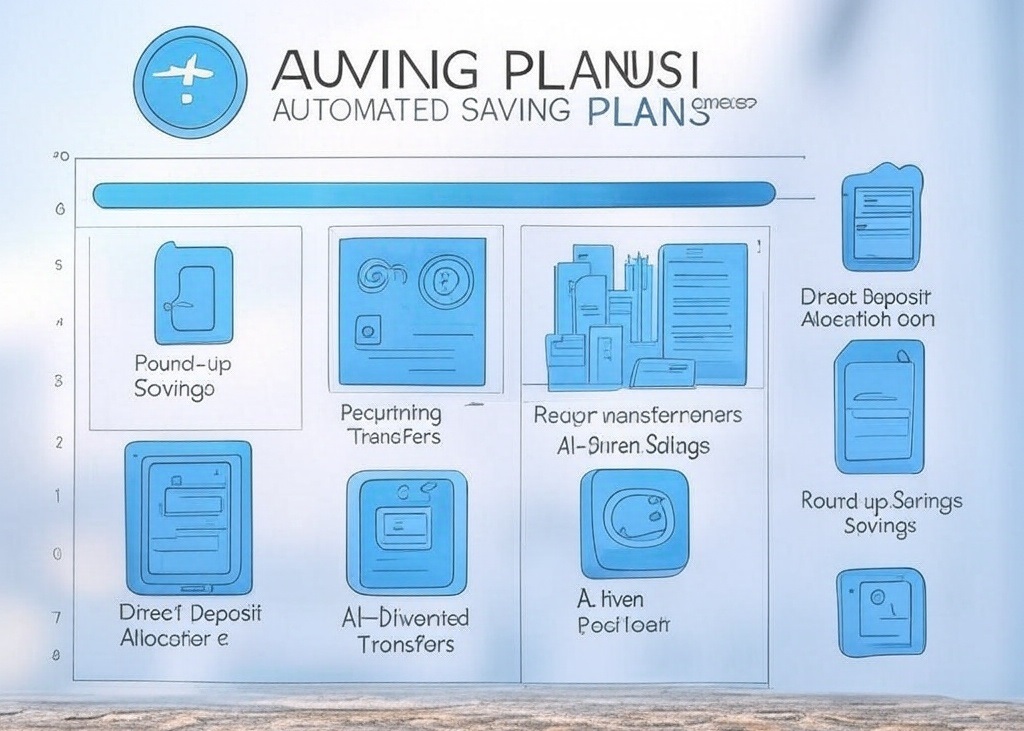
1. Automate Your Savings & Investments
💡 How can professionals automate their finances?
- Set up an automatic savings transfer after every paycheck.
- Use round-up apps like Acorns to invest spare change.
- Automate credit card payments to avoid interest and late fees.
2. Time-Efficient Budgeting for Professionals
💡 What are the best budgeting tips for busy professionals?
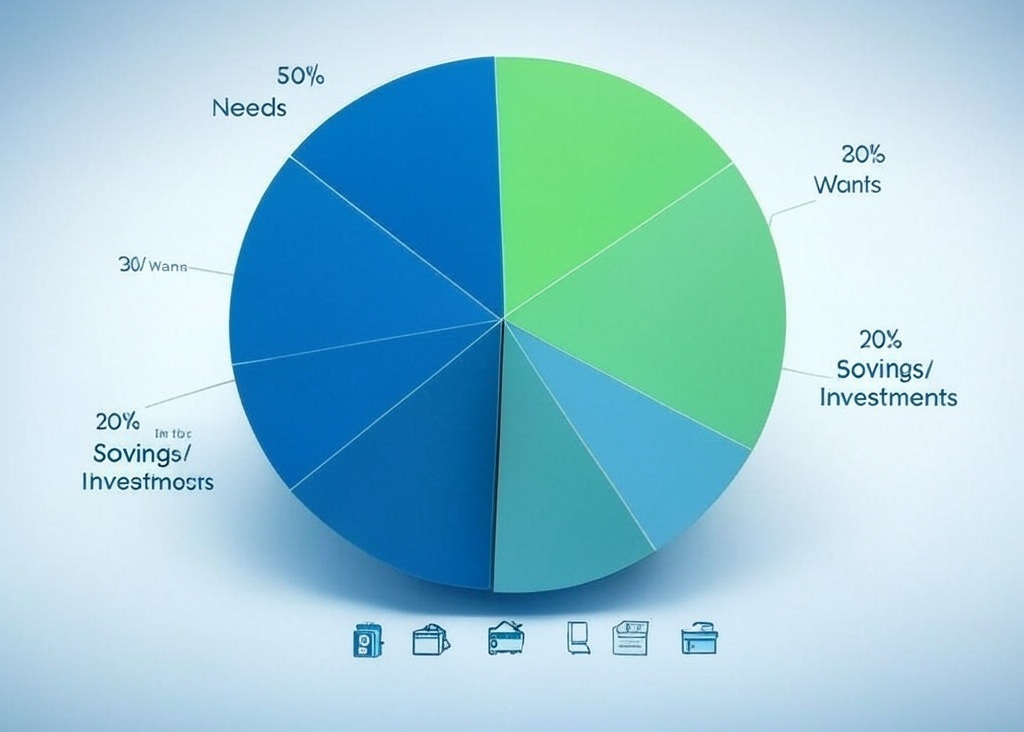
- Use the 50/30/20 rule:
- 50% = Needs (Rent, groceries, insurance)
- 30% = Wants (Entertainment, shopping)
- 20% = Savings/Investments
- Use budgeting apps to track and categorize expenses in minutes.
- Set monthly spending limits for categories you overspend on.
3. Leverage Passive Income for Additional Savings
💡 Best passive income ideas for full-time employees:
✅ Rent out unused space (Airbnb, garage rentals).
✅ Sell digital products (e-books, printables, online courses).
✅ Use cashback & rewards credit cards to earn passive savings.
📌 Pro Tip: Even an extra $100/month in passive income can cover a streaming service, gym membership, or weekend outings without affecting your primary budget.
Tools & Resources to Make Cutting Costs Easier
📌 Best Budgeting Apps for Busy Professionals:
✔ YNAB – Best for proactive budgeting
✔ Mint – Best for automatic tracking
✔ PocketGuard – Best for preventing overspending
📌 Best Credit Card Cashback Programs:
✔ Chase Freedom Flex
✔ Citi Double Cash
✔ Amex Blue Cash Preferred
📌 Best Meal Prep & Grocery Savings Apps:
✔ Ibotta – Earn cashback on groceries
✔ Too Good To Go – Save on restaurant surplus meals
✔ Rakuten – Get cashback on food & shopping
Common Pitfalls & How to Avoid Them
🚨 Pitfall #1: Cutting too many expenses at once – If you eliminate every fun expense, you’re more likely to abandon your budget. Solution: Reduce spending in stages.
🚨 Pitfall #2: Ignoring annual expenses – Some expenses are billed yearly (like Amazon Prime). Solution: Divide these costs into monthly savings goals.
🚨 Pitfall #3: Not tracking savings progress – People save money but don’t see the impact. Solution: Keep a savings tracker to measure progress.
Final Takeaways: How Much Can You Save?
✅ By cutting non-essential expenses, you can save $300-$800/month while still enjoying life.
✅ Automate savings and budgeting to make it effortless.
✅ Leverage cashback programs and passive income to reduce expenses without cutting back.
Your Next Steps:
📌 Download our Monthly Expense Cutting Checklist to start saving immediately!
📌 Use one of the best budgeting apps to track your savings today.
📌 Try one advanced technique from this guide and measure your results.
💡 Want more personal finance tips? Subscribe for weekly strategies on wealth management, saving money, and financial freedom planning!
- All Posts
- Personal Finance