Why Every Professional Needs a Wealth Management Plan
How can high-earning professionals secure their financial future in an economy that’s constantly changing?
With inflation, rising living costs, and unpredictable markets, managing wealth is more complex than ever. While earning a high salary is important, building and maintaining long-term wealth requires strategy.
To provide actionable insights, we gathered expert opinions from financial advisors, wealth strategists, and investment specialists to answer the most pressing questions about wealth management for professionals.
Key Insights You’ll Learn in This Post:
✅ The best investment strategies for busy professionals
✅ How to balance work and finances without financial stress
✅ The biggest wealth management mistakes and how to avoid them
✅ How professionals can automate savings and investments
✅ Future financial trends that will impact high-income earners
💡 Expert #1: “Start with a Clear Financial Roadmap” – Robert Kiyosaki, Author of Rich Dad Poor Dad
🔍 Background Context:
Many professionals make good money but have no clear financial plan. Without a structured approach, they spend impulsively, save inconsistently, and invest haphazardly.
📌 Robert’s Unique Viewpoint:
“The key to wealth management is not just making money—it’s about how you manage money. The rich don’t work for money; they make money work for them.”
✅ Implementation Advice:
- Use a financial planning checklist to map out short-term and long-term goals.
- Set clear income distribution rules—for example:
- 50% needs, 20% savings, 15% investments, 10% passive income, 5% personal growth.
- Prioritize investing over saving—inflation erodes cash value.
📌 Success Story:
A high-income tech executive used the Wealth-Bucket System to allocate:
✔ $200,000 in real estate
✔ $50,000 in index funds
✔ $25,000 in alternative assets (crypto, private equity)
💡 Result? Passive income streams covered 50% of his monthly expenses in five years.
💡 Expert #2: “Invest with a Passive Approach to Maximize Time” – Warren Buffett, CEO of Berkshire Hathaway
🔍 Background Context:
Professionals often lack time to manage investments. Many assume stock trading or active investing is necessary—but research proves otherwise.
📌 Warren Buffett’s Unique Viewpoint:
“Investing should be like watching paint dry. If you want excitement, take $800 and go to Las Vegas.”
✅ Implementation Advice:
- Instead of trading stocks, invest in broad-market index funds (S&P 500, Total Stock Market Index Fund).
- Use dollar-cost averaging—automate contributions into investment accounts every paycheck.
- Follow a set-it-and-forget-it approach to minimize risk and maximize long-term returns.
📌 Common Pitfall:
Many professionals panic-sell during market downturns, leading to unnecessary losses.
💡 Success Story:
A financial consultant who invested $500/month into an S&P 500 fund for 10 years saw her portfolio grow to $108,000+, despite multiple market fluctuations.
💡 Expert #3: “Multiple Income Streams Are the Key to Long-Term Wealth” – Grant Cardone, Real Estate Investor & Entrepreneur
🔍 Background Context:
Many professionals rely solely on their primary salary, which is risky in an uncertain economy.
📌 Grant’s Unique Viewpoint:
“One income source is not enough. Wealthy people have multiple revenue streams that work for them, even when they’re sleeping.”
✅ Implementation Advice:
- Start passive income ideas for full-time employees, such as:
✅ Rental properties – Real estate generates long-term cash flow.
✅ Dividend stocks – Companies like Apple, Microsoft, and Coca-Cola pay dividends.
✅ Digital products – Sell courses, templates, or e-books.
✅ Affiliate marketing & side hustles – Monetize your expertise.
📌 Success Story:
A lawyer invested in rental properties while practicing law. After five years, real estate income covered 70% of her living expenses, allowing her to work only part-time.
💡 Expert #4: “Avoid High Taxes Through Smart Planning” – Tom Wheelwright, Tax Strategist & CPA
🔍 Background Context:
High-income professionals often overpay taxes because they don’t optimize deductions and tax-advantaged accounts.
📌 Tom’s Unique Viewpoint:
“Tax planning is a year-round strategy, not something you do in April. The wealthy pay less tax legally by investing in tax-advantaged assets.”
✅ Implementation Advice:
✔ Max out tax-efficient accounts like 401(k), IRA, and HSA.
✔ Use tax deductions for business expenses, real estate depreciation, and charitable contributions.
✔ Consider tax-efficient investments (municipal bonds, ETFs, Roth IRA).
📌 Common Pitfall:
Professionals who wait until tax season to think about deductions miss out on massive savings.
💡 Success Story:
An entrepreneur saved $15,000 annually by using legal tax deductions on home office expenses, vehicle depreciation, and retirement contributions.
💡 Expert #5: “Time Management & Automation Are Essential for Wealth Growth” – Ramit Sethi, Author of I Will Teach You to Be Rich
🔍 Background Context:
Many professionals struggle with budgeting and feel overwhelmed managing multiple financial accounts.
📌 Ramit’s Unique Viewpoint:
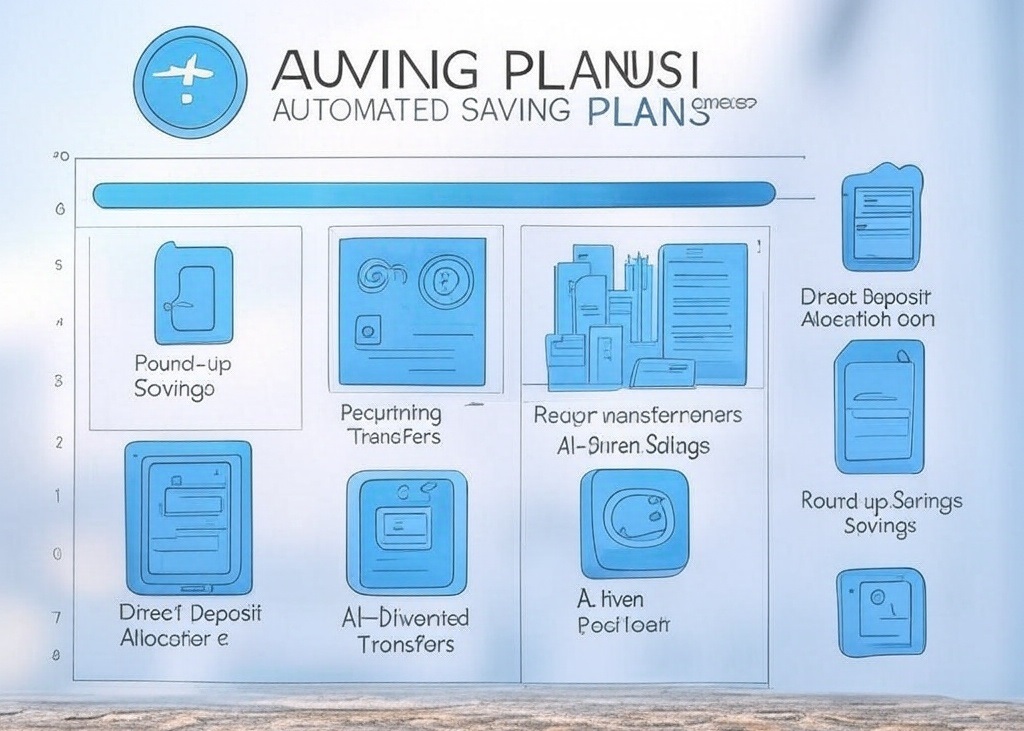
“The best financial system is one that runs on autopilot. Professionals shouldn’t spend hours stressing over expenses—they should set up automated saving plans.”
✅ Implementation Advice:
- Use time-saving budgeting tips by setting up:
✅ Automatic bill payments – No more late fees.
✅ Pre-scheduled investments – Every paycheck deposits into investment accounts.
✅ Expense categorization with budgeting apps like YNAB or Mint.
📌 Success Story:
A corporate manager automated his finances—all bills, savings, and investments ran on autopilot. After five years, he saved $150,000 without actively managing it.
Synthesis: The 5 Key Pillars of Wealth Management for Professionals
💡 From these expert insights, the five essential wealth-building strategies for professionals are:
1️⃣ Develop a structured financial roadmap – Know where your money is going.
2️⃣ Invest passively with index funds – Minimize time and risk.
3️⃣ Build multiple income streams – Don’t rely on just a salary.
4️⃣ Optimize taxes to keep more money – Leverage deductions and tax shelters.
5️⃣ Automate your finances – Make wealth-building effortless.
📌 Action Steps:
✅ Set up automated savings and investment contributions.
✅ Create a wealth-building plan tailored to your profession.
✅ Explore passive income options that fit your lifestyle.
✅ Stay ahead of financial trends to future-proof your wealth.
💡 Want more expert insights? Subscribe for weekly financial planning tips!
- All Posts
- Personal Finance